

Key Takeaways:
- Every year, pro-life pregnancy centers support women and families with millions of dollars’ worth of tangible goods and services.
- Since the Dobbs decision, pregnancy centers have been increasingly targeted by government officials and violent actors.
- Alliance Defending Freedom advocates for the rights of pregnancy centers across the country.
“They saved my life,” says ADF client Jean Marie Davis, executive director of Branches Pregnancy Center in Brattleboro, Vermont—and a survivor of human trafficking. “I am living proof that pregnancy centers love, serve, and commit ourselves to the men, women, and children of our communities who need our help.” Pro-life pregnancy centers like Branches provide pregnant women with the support and resources they need to choose life for their unborn child.
Yet, since the U.S. Supreme Court’s landmark decision in Dobbs v. Jackson Women’s Health Organization overturning Roe v. Wade, pro-life pregnancy centers around the country have been threatened, harassed, vandalized, and even firebombed. They’ve also become the target of smear campaigns by those who profit from abortions and activists who claim to support choice. Some states have even passed laws impeding the centers’ ability to help pregnant women, and others have tried to bury them in paperwork based on unfounded investigations.
As pro-abortion activists continue to spread lies about pregnancy centers, it’s important to know the facts: pregnancy centers provide necessary, life-affirming care to women, children, and families in need.
What are pregnancy centers?
Pregnancy centers serve women and families who may need support during or after their pregnancy. These centers offer pregnant women and new mothers life-affirming options and emotional, material, and spiritual support.
What goods and services do pregnancy centers provide?
Pregnancy centers offer a variety of free services, including:
- Pregnancy-related services, such as ultrasounds, pregnancy tests, STD testing and treatment, and abortion pill reversal;
- Support for parents, including parenting and prenatal education classes, job training, and résumé building;
- Counseling and mental health services, such as post-abortion support and recovery;
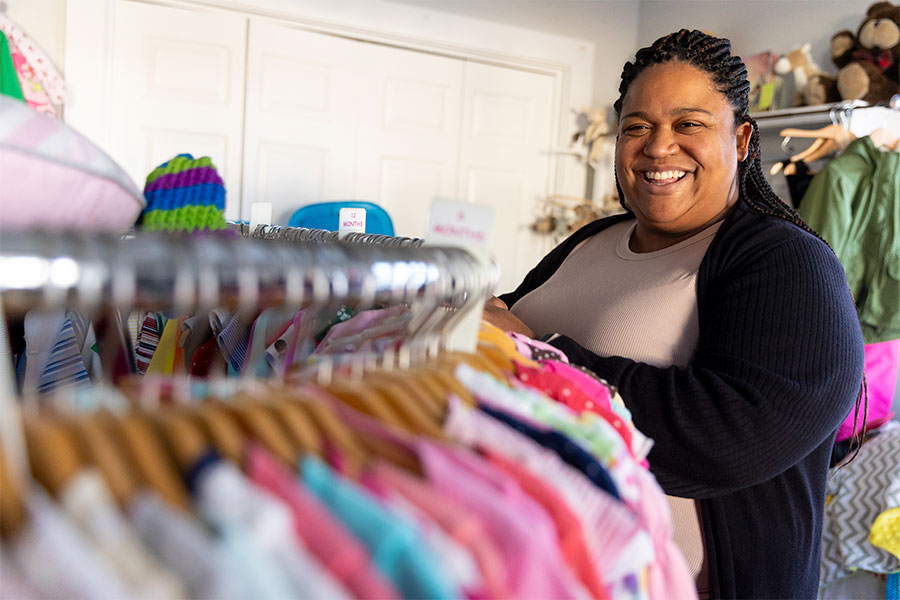
- Resources and supplies for new mothers and fathers, such as diapers, clothes, car seats, strollers, transportation, food, and housing.
How much do pregnancy centers give away?
In 2024, pregnancy centers provided goods and services worth over $452 million, including:
- over 630,000 ultrasounds;
- over 700,000 pregnancy tests;
- over 230,000 STI/STD tests;
- over 1,000,000 consultations with new clients;
- over 6,300,000 packs of diapers;
- over 39,000 new car seats;
- over 36,000 strollers; and
- over 4,980,000 baby outfits.
These pregnancy centers serve women and families across the United States and even globally.

How have pregnancy centers been threatened?
In the months leading up to the Supreme Court’s ruling in Dobbs—and in the years since—pregnancy centers around the country have been the target of vicious attacks and vandalism.
In 2022, Massachusetts Sen. Elizabeth Warren threatened to “crack down” on pro-life pregnancy centers, introducing a bill that authorizes targeting the speech of pro-life pregnancy centers. That same year, other pro-abortion members of Congress sent a letter to the CEO of Google, encouraging his company to censor pregnancy centers.
But threats like these are nothing new. For years, government officials have tried to silence pregnancy centers by forcing them to promote abortion or by punishing them for engaging in life-affirming speech. After Dobbs, threats to pregnancy centers have only continued.
The media has helped fuel hostility toward these centers. The Associated Press, for example, now directs journalists to avoid the term “crisis pregnancy center” (or to put in scare quotes) and to use the negative term “anti-abortion center” instead.
State officials have also continued to target pregnancy centers following Dobbs. Attorneys general in multiple states have opened investigations into pregnancy-center networks, demanding that they produce thousands of pages of documents without citing any evidence of wrongdoing. These kinds of unconstitutional demands not only cost pregnancy centers time and resources that they could use to help women but also threaten the privacy and safety of their employees and donors. Other attorneys general have sued pregnancy centers for merely telling women about the scientifically backed, life-affirming option of abortion pill reversal.
Government officials have also attempted to censor pregnancy centers’ ability to advertise their services and prevent their staff and volunteers who are not licensed healthcare providers from offering non-medical services—like over-the-counter pregnancy tests or peer counseling about pregnancy options.
Amid these attacks, pregnancy centers and other state attorneys general have refuted pro-abortion lies and shown how pregnancy centers help women.
Myths about pregnancy centers
Myths and lies about pregnancy centers are rampant. Below are a few of the misleading claims peddled by pro-abortion activists.
Myth #1: Pregnancy centers are ‘fake’ health clinics.
False. Most pregnancy centers offer both medical and non-medical services to clients in need. And pregnancy centers that offer medical services, such as ultrasounds, hire medical staff to do so. Eighty-one percent of pregnancy centers offered ultrasounds in 2024, and nearly 30 percent offered STD testing. And non-medical pregnancy centers provide over-the-counter pregnancy tests, peer counseling, and material support, such as diapers and baby clothes.
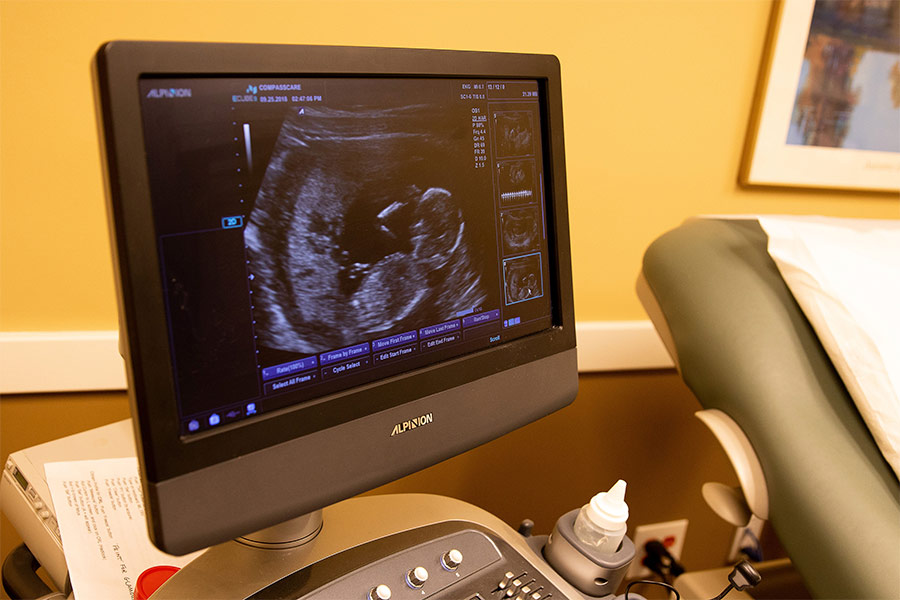
While some pregnancy centers provide select medical services, they do not pretend to take the place of a woman’s OB-GYN physician. Instead, they offer limited medical services directed at helping women understand their unborn baby and their pregnancy. Then, these centers provide holistic services such as counseling, baby supplies, housing, education, employment support, and spiritual guidance. In 2024, 85 percent of pregnancy centers provided parenting or prenatal education, and 92 percent provided material items like diapers, strollers, and baby clothes.
Myth #2: Pregnancy centers deceive women.
False. Pregnancy centers offer truthful, evidence-based information and compassionate care to women about their pregnancy, their unborn child, and their options. These centers clearly explain their mission to provide life-affirming services on their websites.
And pregnancy-center counselors offer only truthful information to the women they serve. In fact, over 97 percent of clients described their overall experience with pregnancy centers as positive.
Myth #3: Pregnancy centers intimidate women.
False. Despite what some abortion advocates may claim, pregnancy centers offer compassionate, non-judgmental, informed counseling to help women facing unplanned pregnancies consider their options. They do not intimidate anyone into choosing to keep their baby.
These centers share life-affirming alternatives to abortion with the women they serve. And even for women who ultimately choose abortion, most centers offer post-abortion support and counseling. In 2024, pregnancy centers provided post-abortion recovery and support to over 24,000 women and men.
Does Alliance Defending Freedom represent pregnancy centers?
Yes! ADF frequently fights for the right of pregnancy centers to serve women in accordance with their pro-life beliefs.
Defending pregnancy centers at the U.S. Supreme Court
In 2018, ADF won a victory for pregnancy centers at the Supreme Court in National Institute of Family and Life Advocates (NIFLA) v. Becerra.
A law in California forced state-licensed pro-life pregnancy centers to advertise for the abortion industry by informing pregnant women that the state offered free or low-cost abortion services. The law also required unlicensed centers to publish large disclosures on advertisements stipulating that they were not licensed by the state.
ADF represented NIFLA, a nonprofit network of pregnancy centers across the U.S., to challenge the law. In June 2018, the Supreme Court overturned California’s unconstitutional law. Justice Clarence Thomas, writing for the majority, explained that “the people lose when the government is deciding which ideas should prevail.”
On December 2, 2025, ADF once again represented a pregnancy center at the Supreme Court. The New Jersey attorney general’s office is targeting First Choice Women’s Resource Centers with an unlawful subpoena based on its religious speech and pro-life views.
Despite not receiving a single complaint against the group, New Jersey baselessly claims that First Choice, which states repeatedly on its websites that it does not perform or refer for abortions, may have “confused” donors into giving without realizing that First Choice doesn’t perform abortions. And this from a ministry whose webpage features photos of parents holding infants and young children.
New Jersey is demanding that First Choice turn over troves of private data, which includes highly sensitive information like the names, phone numbers, and addresses of First Choice donors. Thankfully, in April 2026, the U.S. Supreme Court unanimously ruled in favor of First Choice, allowing the ministry to challenge New Jersey’s coercive subpoena in federal court.
Defending pregnancy centers across the country
All over the United States, ADF has successfully defended pregnancy centers from government officials or laws that would have hindered their ability to serve women and their unborn children.
- In Vermont, ADF attorneys represented NIFLA and two pregnancy centers challenging a law that would have censored the centers’ advertisements of free services and precluded them from offering even non-medical services unless provided by a licensed healthcare provider. In May 2025, after the lawsuit was filed, Vermont amended its law to no longer openly discriminate against the centers.
- In Connecticut, the city of Hartford passed an ordinance forcing pregnancy centers to post signs and begin conversations with a government-scripted disclaimer. ADF challenged the ordinance on behalf of Caring Families Pregnancy Services, and in July 2020, the city agreed to no longer enforce the ordinance against Caring Families.
- In Hawaii, a state law would have required pro-life pregnancy centers to direct women to a state agency that provides abortion referrals and funding. But in light of the Supreme Court’s decision in NIFLA v. Becerra, a federal court struck down Hawaii’s law in 2018.
- In Washington, ADF attorneys represented the Obria Group, a network of medical centers that provide ultrasounds, pregnancy testing, STD testing, and more for women who need it. But Bob Ferguson, the state’s pro-abortion attorney general, unconstitutionally singled out Obria because of its pro-life viewpoint and demanded information, citing no supporting evidence to justify an investigation. After Obria demonstrated that Ferguson’s “investigation” caused it to lose insurance coverage and to pay seven times more for replacement coverage, Ferguson backed down.
- In New York, ADF is challenging a law that would force pro-life groups to hire pro-abortion employees. Our clients in the case are all dedicated to protecting life, but the law would force them to employ people who don’t share that vision.
- In New York and California, state attorneys general have targeted pro-life pregnancy centers for speaking about abortion pill reversal, a treatment for women who have begun a chemical abortion but change their mind and wish to keep their pregnancy. ADF attorneys filed lawsuits on behalf of NIFLA and its pregnancy centers to protect their First Amendment rights to speak about this scientifically backed, potentially life-saving option.
- In Illinois, ADF represents multiple pregnancy centers challenging a law that would compel pro-life doctors and pregnancy centers to violate their pro-life and religious beliefs by informing women of so-called “benefits” of abortion and referring them to abortion providers.
- ADF is also challenging a different Illinois law that would force a pregnancy center and a Catholic diocese to hire employees who don’t share their beliefs about the sanctity of life. Additionally, the law prohibits them from disciplining employees if they choose to have abortions themselves.
- Finally, in Colorado, Gov. Jared Polis signed a law that prohibited doctors and nurses from providing abortion pill reversal. ADF intervened in a lawsuit challenging the law on behalf of Chelsea Mynyk, a nurse practitioner who offers APR at her clinic. Thankfully, in August 2025, a Colorado district court permanently barred Colorado from enforcing the unconstitutional law against Chelsea and the other clinic that sued.
Pregnancy centers are worth fighting for. They provide much-needed care to women and families, and they empower expectant mothers to make life-affirming choices for both themselves and their children. The government has no business steering women away from life-affirming care. ADF will continue to represent these centers and protect their right to serve women, children, and families in need.
Related Articles