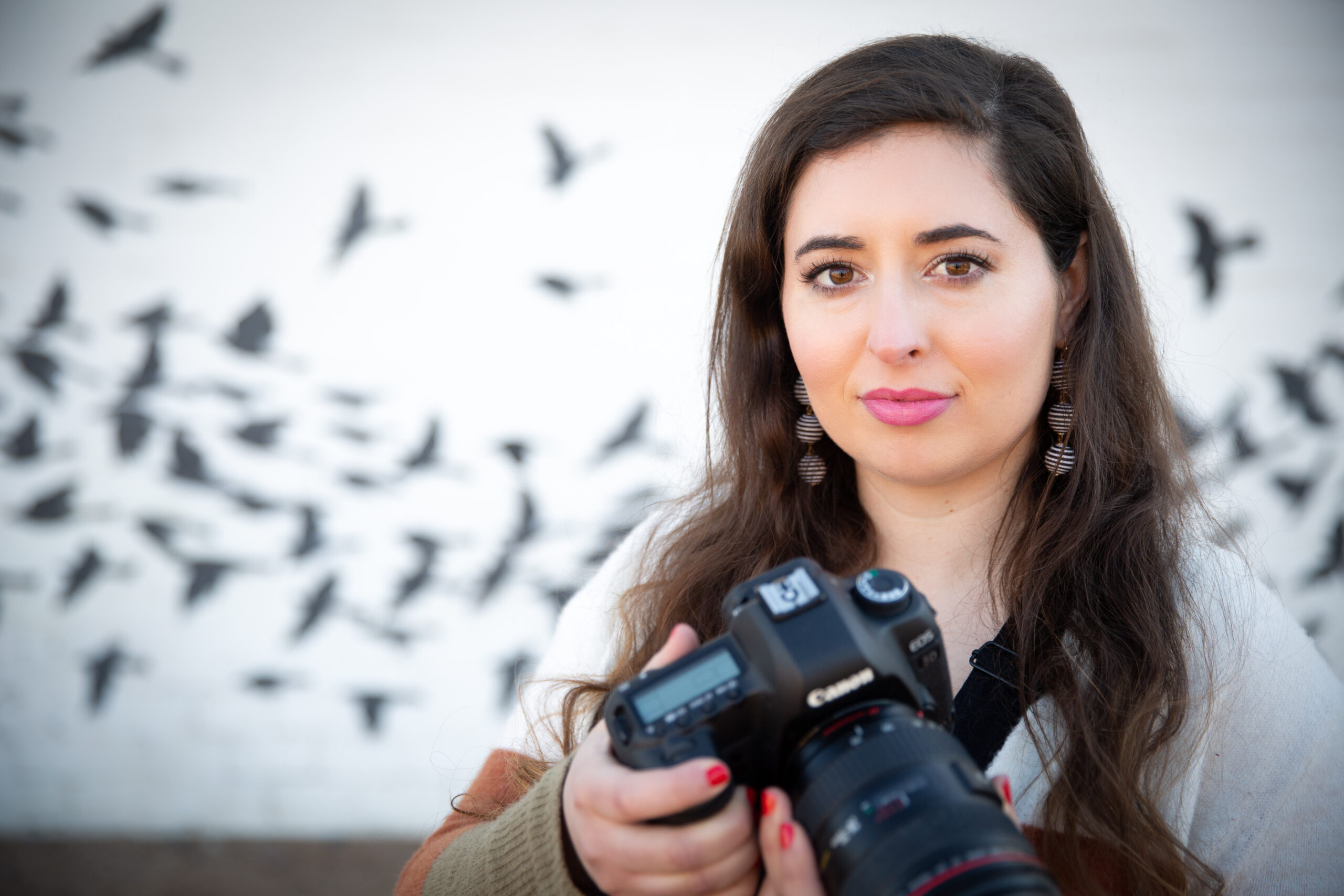
A wedding day is often one of the happiest days in a person’s life. Chelsey Nelson understands how special these days are, and that’s why she has a passion for helping to celebrate them through her photography.
But a Louisville, Kentucky law threatened to force Chelsey to express messages that violate her beliefs if she wanted to continue photographing weddings.
The First Amendment protects Americans’ freedom to live and work according to their beliefs without facing punishment from the government. That’s why Chelsey challenged Louisville’s unconstitutional actions in court.
Who is Chelsey Nelson?
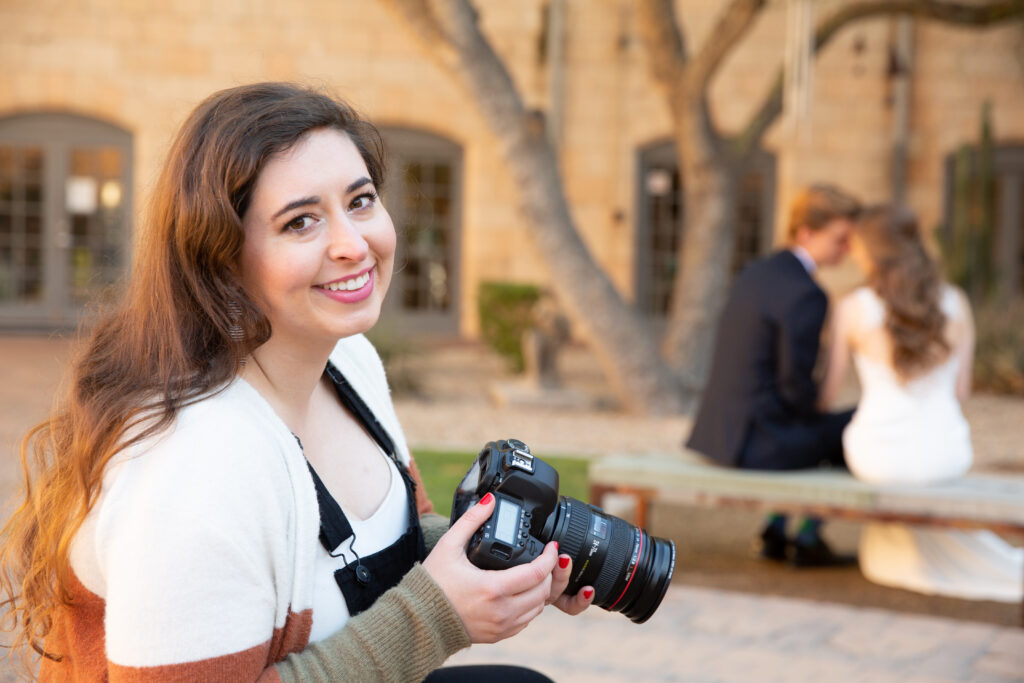
Chelsey is a photographer and owner of her own studio, Chelsey Nelson Photography. Chelsey discovered her passion for photography as a young girl when God used a difficult circumstance to create something new.
When she was just seven years old, a tornado damaged her family’s home, throwing her childhood into turmoil. Chelsey’s family soon moved in with another family from their church, and she began spending hours looking through the family’s photo albums.
With each new photo, Chelsey felt a deep connection to the family she was staying with. It was through this experience that Chelsey realized the power of photography—and her desire to use it to help others celebrate important moments in their lives.
“My hope is to give that gift to others—beautiful images that will represent special memories, become family heirlooms, and tell the story of each legacy represented, because it matters,” Chelsey said.
Today, Chelsey uses her skills to celebrate one of the most meaningful moments of her clients’ lives: their wedding day. Chelsey photographs and blogs about all her clients. She wants every wedding photo she takes to truly capture the unique personalities of the couple.
Making personal connections
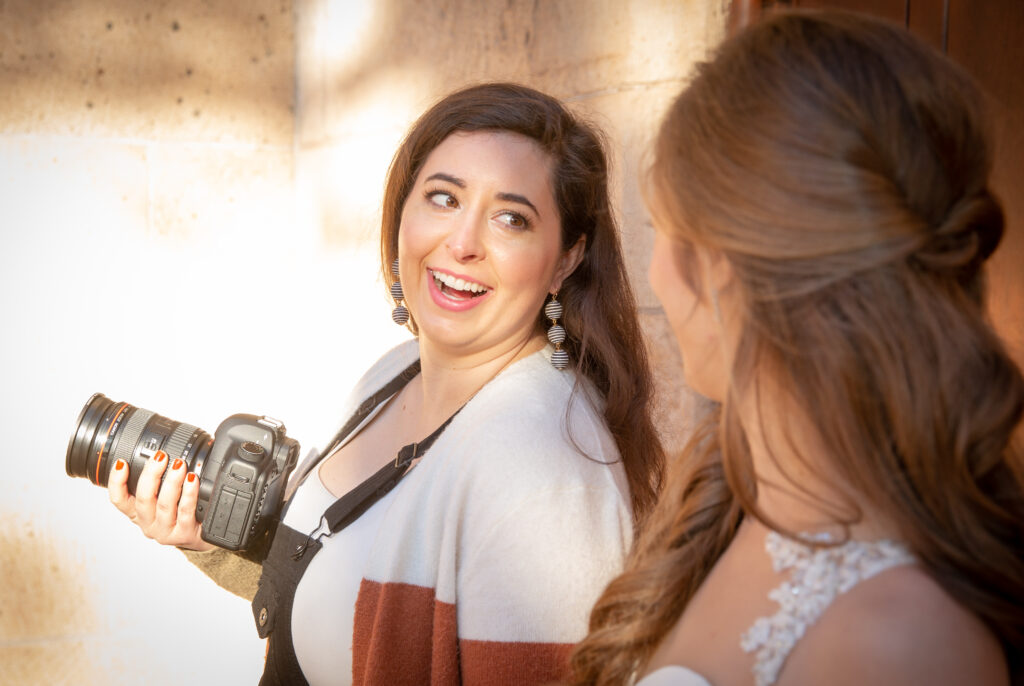
Building personal connections is a key part of Chelsey’s business. She has many conversations with each couple so that she can get to know them, and she helps to craft a personalized timeline for their wedding as they prepare for the big day.
Chelsey schedules an engagement session for each couple to make sure they have some great photos and are comfortable in front of the camera before their wedding day. Finally, she expresses the couple’s uniqueness by telling stories about them on her blog. All these personalized touches help Chelsey create the best possible experience and final product for her clients.
Because she invests so much personally and artistically into each wedding she photographs and blogs about, she wants to make sure she can participate in and celebrate weddings consistent with her religious beliefs.
As a Christian, Chelsey believes that marriage is between one man and one woman. For this reason, she does not photograph same-sex weddings, because doing so would express a message about marriage that goes against her core beliefs.
But Louisville officials tried to misuse one of the city’s laws to force Chelsey to photograph same-sex weddings if she photographs weddings between one man and one woman.
Louisville violated Chelsey’s religious freedom
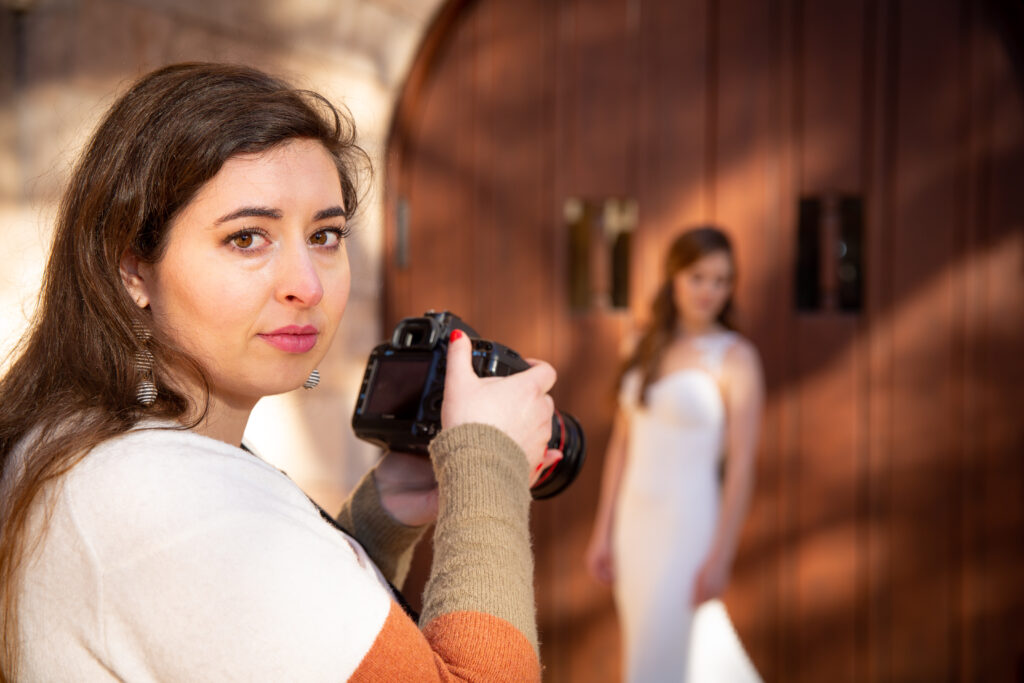
While researching ways to grow her business, Chelsey learned that Louisville officials interpreted the city’s public accommodation law to compel business owners to violate their beliefs. She saw news reports about other creative professionals in Kentucky and across the country being sued and threatened with severe penalties for declining to celebrate or participate in same-sex wedding ceremonies.
As Chelsey learned more about Louisville’s law, she realized that it affected her business, restricted what she could post on her studio’s website and social media sites, restrained what she could directly tell prospective clients, and limited what storytelling services she could provide.
Louisville interpreted its law to force Chelsey to promote a view of marriage that contradicted her religious beliefs because she created photographs and blogs celebrating weddings between one man and one woman. In addition, Louisville made it illegal for Chelsey to explain on her studio’s own website why she only believes in marriage between a man and a woman or why she only accepts requests consistent with this view.
Chelsey serves everyone, including those who identify as LGBT. But she cannot promote all messages—especially messages that go against her deeply held religious beliefs about marriage.
By trying to force Chelsey to express messages she disagreed with through her wedding photography, Louisville officials violated Chelsey’s freedom. So, she challenged the unjust application of this law in court.
ADF defended Chelsey’s right to create freely
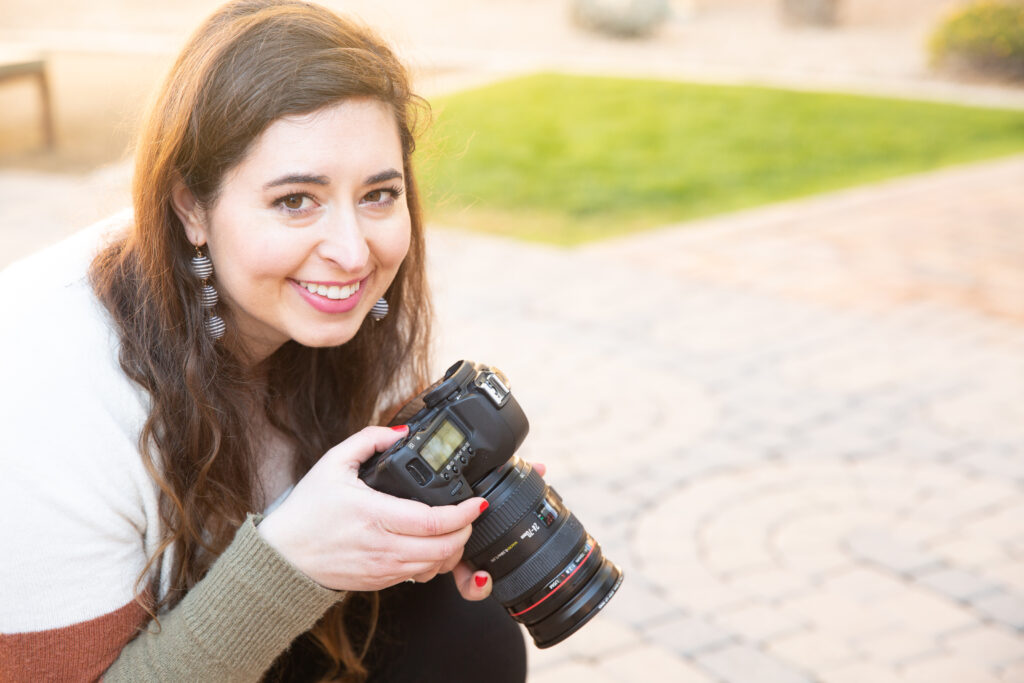
Louisville’s law presented Chelsey with an impossible choice: violate the law, forsake her faith, or close her business. All three of those choices were unacceptable to Chelsey, so she filed a lawsuit in November 2019 with the help of Alliance Defending Freedom.
Two different federal court judges held that Louisville’s law violated Chelsey’s freedom of speech by compelling her to promote messages she disagreed with and by restricting her speech on the topic of marriage. As one of those courts put it, the Supreme Court “has long recognized the risk that compelled speech may ‘turn the writer, and every other kind of artist as well, into a minor official, working on themes handed down from above.’” But Louisville appealed the second ruling to the U.S. Court of Appeals for the 6th Circuit.
Around that time, the U.S. Supreme Court ruled in another ADF case, 303 Creative v. Elenis, that Colorado could not use a similar law to force web designer Lorie Smith to violate her beliefs about marriage. ADF attorneys asked the 6th Circuit to protect Chelsey’s freedom of speech, consistent with the High Court’s ruling in 303 Creative.
In April 2024, the 6th Circuit ruled to keep in place a lower court’s injunction preventing Louisville from forcing Chelsey to express messages she disagrees with. The court remanded other aspects of the case to the district court.
Finally, in October 2025, the district court confirmed its prior ruling in favor of free speech, kept the injunction protecting Chelsey in effect, and awarded her nominal damages for the period of time that Louisville officials chilled her speech. The ruling was a major victory for free speech and religious freedom.
“The government can’t force Americans to say things they don’t believe, and state officials have paid and will continue to pay a price when they violate this foundational freedom,” Chelsey said. “The freedom to speak without fear of censorship is a God-given, constitutionally guaranteed right. I’m grateful for my legal team at Alliance Defending Freedom that brought my case to victory not only for me, but for every other artist in Louisville.”
The tide is turning
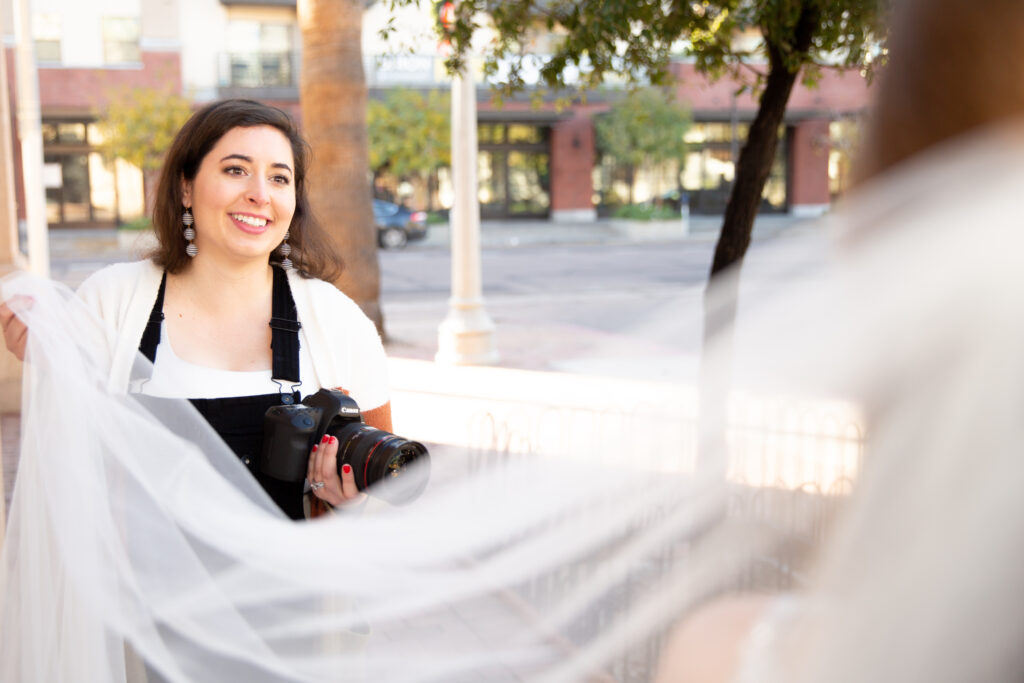
Thankfully, more courts seem to be rejecting the idea that Americans can be censored or compelled to speak certain messages about important issues like marriage. Chelsey’s victory in this case and Lorie’s win in the 303 Creative case both provide important protections for free speech and religious liberty.
Americans don’t want government officials telling them what they can and cannot say, and ADF will continue to push back against government officials who violate the First Amendment.
Thanks to generous Ministry Friends, ADF can represent Chelsey, Lorie, and all of our other clients in court without charging them a dime. Will you help us continue to defend liberty with a gift today?
Related Articles