

Key Takeaways:
- For nearly 30 years, Campus Bible Fellowship was a recognized student club at SUNY Broome Community College—until the college revoked that status because CBF asks its leaders to share its Christian faith.
- Losing recognition cut the ministry off from funding, meeting space, and other benefits available to recognized clubs on campus.
- SUNY Broome says CBF’s leadership standard violates the college’s policies—yet other clubs organized around a shared identity or purpose keep the recognition the college denied CBF.
- The First Amendment ensures that religious groups are free to choose faithful leaders.
It is elementary that the people who lead a church, a ministry, or a Bible study should share their faith. Yet, somehow, this idea is on trial at State University of New York (SUNY) Broome Community College.
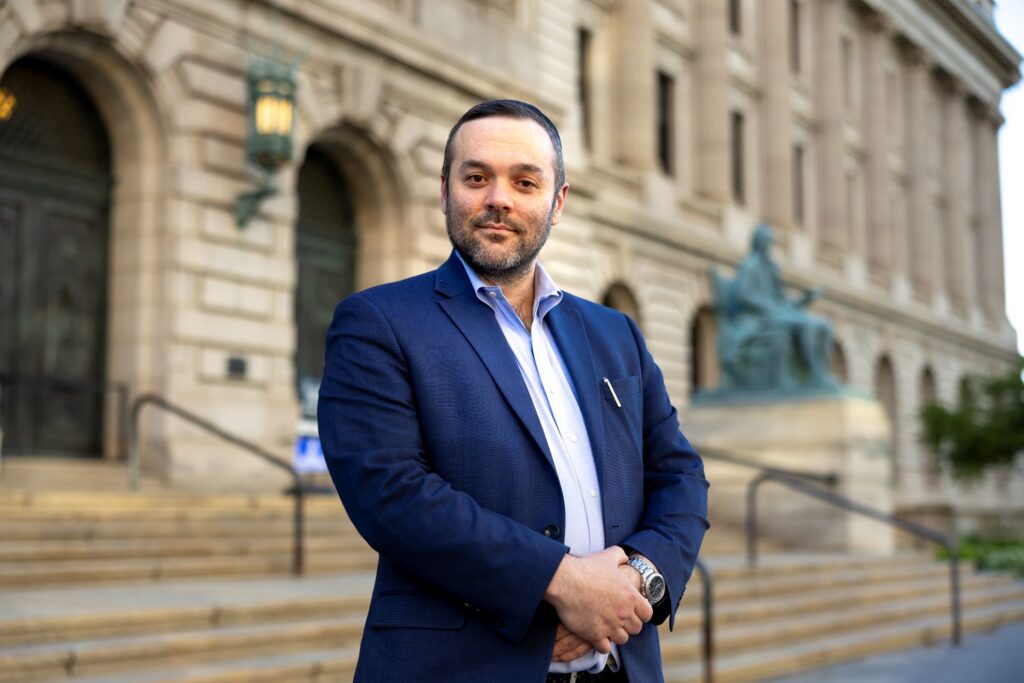
Campus Bible Fellowship (CBF) has met on campus since the 1990s, studying Scripture and praying together under student leaders like Jacob Seachrist, CBF’s current president. To keep that leadership grounded in the faith it exists to share, CBF asks its leaders to affirm a personal relationship with Jesus Christ.
SUNY Broome says that violates the college’s “anti-discrimination” policies. The college has stripped CBF of its official club status, cutting off funding, meeting space, and nearly 30 years of standing on campus because CBF won’t hand its leadership to students who don’t share its faith. Now, CBF and Jacob are asking a federal court to step in.
A campus ministry rooted in Scripture
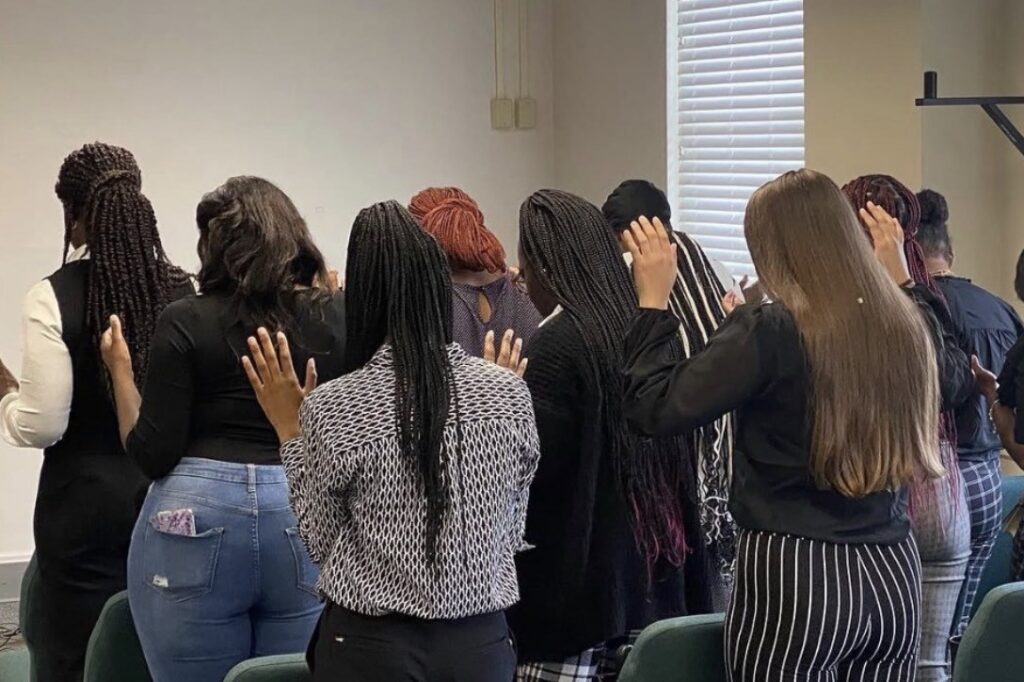
Campus Bible Fellowship exists to help students grow in their Christian faith. Since gaining recognition as a SUNY Broome student club in 1996, CBF has centered its identity around Bible study, prayer, and fellowship—the same rhythms that define church communities off campus.
CBF is part of something larger, too. It’s a local chapter of Campus Bible Fellowship National, the campus ministry arm of Baptist Mid-Missions, a missionary-sending organization based in Ohio.
True to its mission, CBF opens its doors to any student who wants to attend, regardless of their beliefs. But leading the group is different. CBF’s voting members and officers function much like elders in a church—teaching Scripture, leading worship, and guiding the group’s spiritual direction. Because of that responsibility, CBF asks its officers to affirm a personal relationship with Jesus Christ and its voting members to also affirm its full statement of faith. Jacob, elected CBF’s president in April 2026, has lived that calling out—leading Bible studies, teaching doctrine, and presiding over meetings.
But that leadership standard (one they’ve practiced for nearly 30 years) is exactly what SUNY Broome refused to accept.
SUNY Broome accuses CBF of discriminatory practices
CBF held recognized status as a SUNY Broome student club for nearly 30 years without issue. That changed in 2025. When CBF’s advisor submitted the club’s constitution for re-registration, SUNY Broome’s Director of Student Activities, Nick Kocienewski, rejected it. In an August 2025 email, Kocienewski told CBF that its constitution conflicted with the college’s “Open Access Rule,” which requires clubs to remain open to any student who pays the student activity fee. He flagged ten sections of CBF’s constitution—each tied to its requirement that leaders affirm the group’s statement of faith—as noncompliant. He then told CBF to revise the document or risk losing its recognition. But complying would have meant abandoning the very thing CBF exists to do.
Later that month, the college followed through. SUNY Broome placed CBF on “inactive” status, cutting the club off from the funding, meeting space, and other benefits available to recognized clubs.
CBF didn’t give up. After electing Jacob as president in April 2026, the club submitted a revised constitution that June. Like the original, it still required leaders to affirm a personal relationship with Jesus Christ. But in June 2026, Kocienewski rejected it again, writing that recognized student clubs could not “restrict membership or voting privileges based on a student’s religious beliefs or require adherence to a statement of faith as a condition of participation.” Because of this, CBF remains on “inactive” status today.
The college doesn’t apply this rule evenly. SUNY Broome told CBF that any student who pays the activity fee must be eligible for membership and a role in running the club. Yet other recognized clubs appear to organize around a shared identity or purpose that shapes who belongs and who leads. The club “Love You Like a Sister,” for instance, centers on sisterhood and reserves a “Right Hand Woman” officer position, while groups like ElevateHer and Men of Excellence organize around serving women and minority men, respectively. These clubs keep the recognition SUNY Broome denied CBF—applying to a religious group a standard the college doesn’t appear to enforce against others.
Who gets to lead a Christian ministry?
This case is about whether a public college can force a Christian ministry to hand its leadership positions to someone who opposes its fundamental beliefs. SUNY Broome is effectively telling CBF that its leaders’ faith is a problem to be regulated, not a right to be protected.
The logic behind SUNY Broome’s policy doesn’t stop at CBF’s door. Apply it consistently, and a feminist club has to accept a leader who thinks women don’t belong in leadership. A pro-life group has to accept a leader who champions abortion. A Bible study has to accept a leader who’s never read the Bible. No group organized around a shared conviction can survive leadership chosen by people who reject that conviction—and the First Amendment has never asked them to.
The Constitution guarantees religious organizations the right to select leaders who reflect their beliefs, free from government interference. Likewise, it cannot allow some groups the right to have leadership requirements while denying that same right to religious groups.
If a public college can override that right by rebranding it “discrimination,” every religious student group in the country is on notice: Your faith is welcome here, as long as you’re willing to let someone else run it.
The bottom line
A public college has no business deciding who’s qualified to lead a Christian club. Nor can it treat religious clubs worse than other clubs on campus.
Campus Bible Fellowship at SUNY Broome Community College v. SUNY Broome Community College
- August 2025: SUNY Broome rejected CBF’s re-registration constitution, despite there being no issues for nearly 30 years. That same month, the school placed CBF on “inactive” status, cutting off its access to funding, space, and other club benefits.
- April 2026: Jacob Seachrist is elected CBF’s president.
- June 2026: Jacob submitted a revised constitution that is again rejected by SUNY Broome.
- September 2026: Alliance Defending Freedom attorneys filed a lawsuit against SUNY Broome on behalf of CBF and Jacob.
Related Articles