Key Takeaways
- Religious freedom is a fundamental human right and a key protection in the U.S. Constitution.
- The First Amendment protects religious freedom through two provisions: the Establishment Clause, which guards against a government-established religion, and the Free Exercise Clause, which protects the right to practice one’s faith freely.
- Serious threats to religious freedom remain at home and abroad—from attempts to restrict prayer and exclude religious schools from public programs, to the criminal prosecution of people of faith in Europe and deadly violence against believers in Nigeria.
- Religious freedom is a gift to society that lets every person, religious or not, follow their conscience. It must be actively defended.
Over 400 years ago, the Pilgrims sailed the Mayflower to the New World, seeking religious freedom. They were neither the first nor the last group to come to America to make a new life and worship freely, but from the beginning, religious freedom has been at the core of America’s identity.
But as society has grown more secular, attitudes toward religious freedom have shifted. In 1993, for example, Congress overwhelmingly passed the Religious Freedom Restoration Act (RFRA), which was signed by President Bill Clinton. RFRA protected religious exercise from being “substantially burdened” by government action. By contrast, in 2014, the Colorado Civil Rights Commission called Jack Phillips’s plea for religious freedom “one of the most despicable pieces of rhetoric” and even compared Jack to slaveholders and perpetrators of the Holocaust.
Thankfully, the U.S. Supreme Court later ruled that such sentiments were “neither tolerant nor respectful of [Jack’s] religious beliefs.” Despite challenges, Alliance Defending Freedom continues to see victories in court upholding protections for religious freedom.
As Americans have long recognized, religious freedom is a gift to society, and when we honor it, religious freedom leads to human flourishing and allows every person—religious or not—to follow their conscience and most deeply held beliefs.
The definition of religious freedom

Religious freedom is not a narrow right to worship but rather a broad freedom to live out your faith in all of life’s pursuits.
Religious freedom has been mistakenly reduced to the freedom to believe what you want within the confines of your own mind. But religious freedom entails not only the freedom to think and believe but also the freedom to act—to speak your convictions, practice your faith, and live in line with your conscience. After all, as the Bible itself teaches, any genuinely held belief will affect the way you act (James 2:26).
Similarly, religious freedom can be misunderstood as a narrow right to worship within the confines of one’s home, church, or place of worship. But such a definition fails to understand that true worship means living out your faith in all of life’s pursuits, not just behind closed doors. If religious freedom were confined to one’s mind or place of worship, then it would be of little comfort to anyone with genuine convictions.
Properly understood, religious freedom protects every human being’s right to live and speak the truth.
Why is religious freedom important?
A fundamental part of what it means to be human is the capacity to have rational beliefs, thoughts, and ideas. And which beliefs, thoughts, and ideas could be more important than those that concern the quest for ultimate truth? This quest leads many to find that ultimate truth and to peaceably live out those principles in their lives.
Many of America’s Founding Fathers understood the importance of religious freedom and the role of following one’s conscience. James Madison beautifully articulated this in 1785:
“[W]e hold it for a fundamental and undeniable truth, ‘that Religion or the duty which we owe to our Creator and the manner of discharging it, can be directed only by reason and conviction, not by force or violence.’ The Religion then of every man must be left to the conviction and conscience of every man; and it is the right of every man to exercise it as these may dictate … It is the duty of every man to render to the Creator such homage and such only as he believes to be acceptable to him. This duty is precedent, both in order of time and in degree of obligation, to the claims of Civil Society.”
In other words, religious freedom is a pre-political right because it is a duty we owe first to God, our Creator. Governments should recognize this duty of mankind, neither coercing worship nor inhibiting it, but giving people the ability to pursue the truth and live it out in their lives.
This principle is summarized in the First Amendment to the United States Constitution.
What does the Constitution say about religious freedom?
The First Amendment to the Constitution states, in part, “Congress shall make no law respecting an establishment of religion, or prohibiting the free exercise thereof…” The first half (“respecting an establishment of religion”) is called the Establishment Clause, and the second half (“prohibiting the free exercise thereof”) is called the Free Exercise Clause.
As their names suggest, the Establishment Clause was meant to protect against an “establishment” of religion, such as a government-sanctioned church like the Church of England, while the Free Exercise Clause was meant to give broad protections for people to freely practice or “exercise” their religious beliefs.
What has the Supreme Court said about religious freedom?
During Alliance Defending Freedom’s 30-year history, we have played a role in over 30 Supreme Court wins defending religious freedom. These include cases such as:
- Town of Greece v. Galloway (2014) – The Supreme Court ruled that the Town of Greece, New York, could continue its practice of opening town council meetings with volunteer-led, uncensored prayer without violating the First Amendment. ADF represented the Town of Greece after two residents objected to the largely Christian content of the prayers and sued over the practice.
- Conestoga Wood Specialties v. Burwell (2014) – Combined with the Burwell v. Hobby Lobby Stores case. The Supreme Court ruled against the Obama administration’s contraceptive mandate, stating that closely held Christian companies like Conestoga or Hobby Lobby do not have to surrender their religious freedom or violate their conscience in order to remain in business. ADF represented the Hahn family of Conestoga Wood Specialties.
- Trinity Lutheran Church of Columbia v. Comer (2017) – The Supreme Court held that the state of Missouri could not exclude religious organizations and individuals from generally available public benefits simply because of their religious identity. ADF represented Trinity Lutheran Church all the way to the Supreme Court.
- Masterpiece Cakeshop v. Colorado Civil Rights Commission (2018) – In a 7-2 ruling, the Supreme Court reversed Colorado’s decision to punish ADF client Jack Phillips, a Colorado cake artist, for declining to design a custom cake celebrating a same-sex wedding, citing the state’s demonstrable hostility toward Jack’s faith.
Threats to religious freedom
Despite recent Supreme Court decisions that have strengthened religious freedom, threats to this fundamental liberty remain.
Communal and public prayer
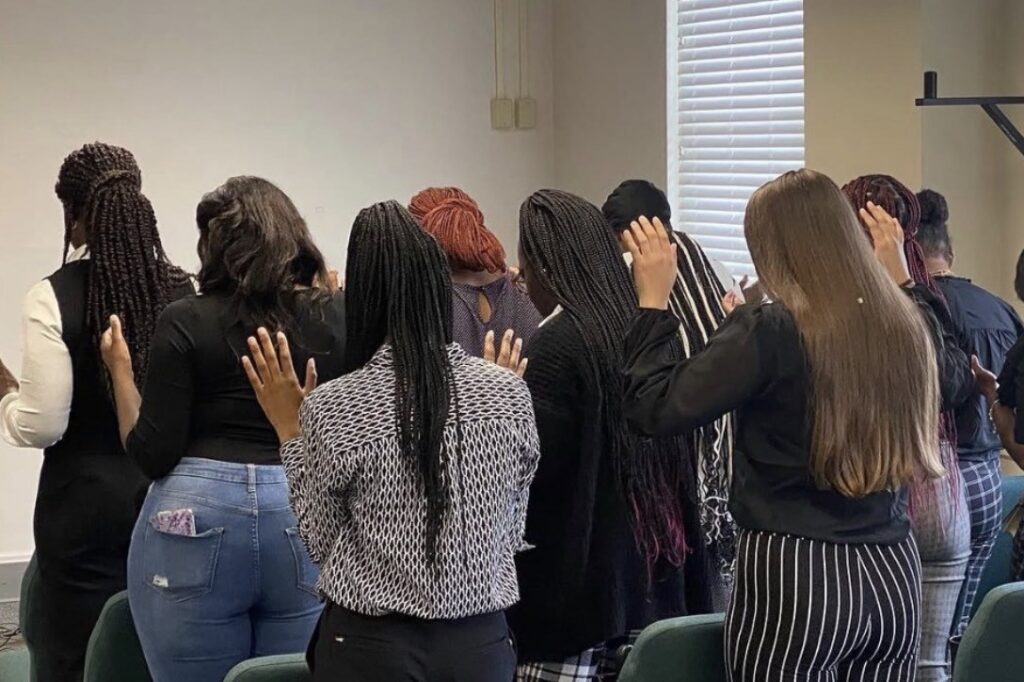
Few things are more important to religious expression than prayer. Whether a person is praying in their mind, at home, in church, or in public, the right to pray is essential to living out one’s faith.
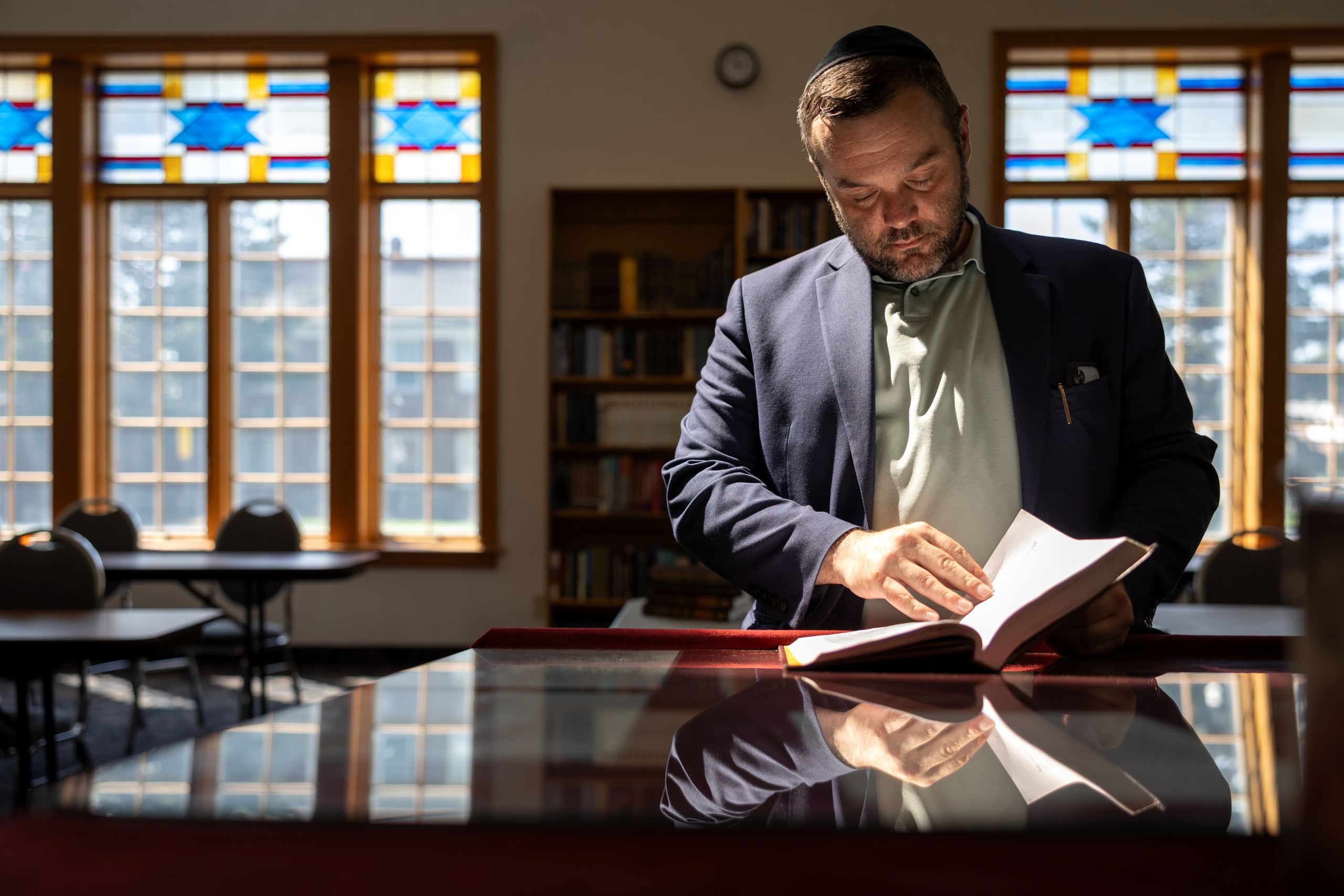
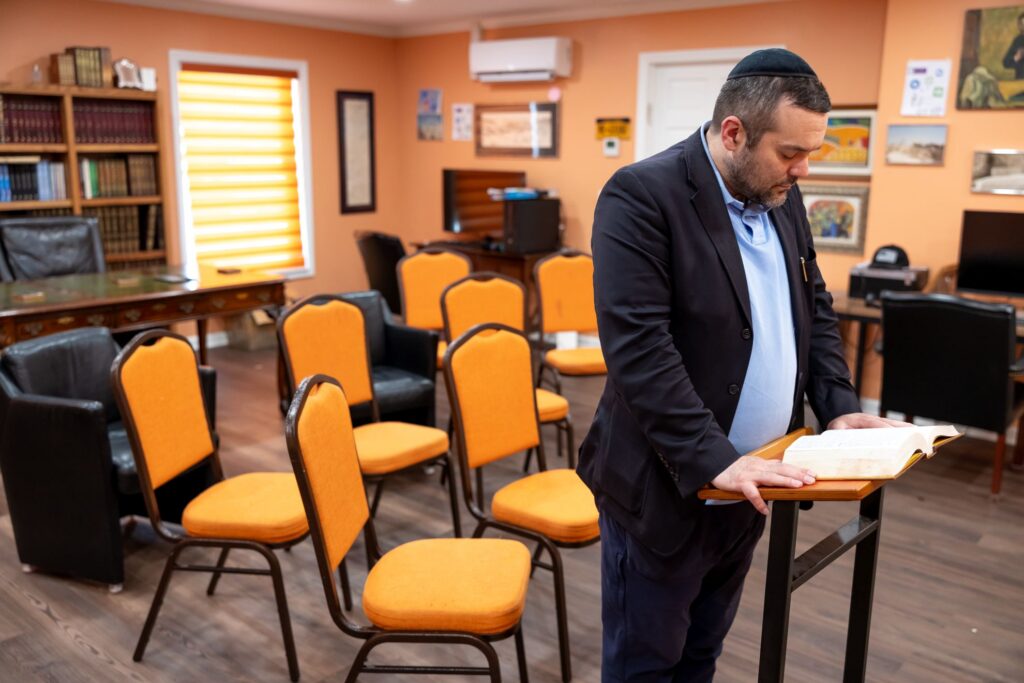
Take Daniel Grand, for instance. An Orthodox Jew, Daniel invited about a dozen friends to pray with him in his home. Most would consider that a medium-sized gathering, at most. Nevertheless, the City of University Heights, Ohio, issued a cease-and-desist order, falsely labeling his home a “place of religious assembly.” City officials then began harassing Daniel and his family with police surveillance and unfounded property violations.
After two federal courts initially dismissed Daniel’s lawsuit against the city, the Supreme Court agreed to hear this case. His case is set to be heard on December 9, 2026. You don’t need a permit to pray with your friends.
Public tuition assistance programs

Governments across the country offer preschool programs and tuition-assistance funds that let families choose the education that best fits their children’s needs—including at religious schools. But some state and local officials have tried to carve religious schools out of these programs, conditioning participation on schools abandoning their religious beliefs.
That approach runs headlong into the Supreme Court’s rulings in Trinity Lutheran, Espinoza, and Carson, which make clear that once a state opens a public benefit to private organizations, it can’t turn around and exclude religious ones just because they’re religious. But that hasn’t stopped some governments from continuing to try.
The state of Colorado, for example, attempted to exclude Darren Patterson Christian Academy from its universal preschool program because of the school’s religious beliefs about gender and sexuality. Darren Patterson asked for a religious exemption, but Colorado refused. After ADF sued on the school’s behalf, a federal court protected Darren Patterson’s ability to participate, and in February 2025, the district court granted summary judgment in favor of Darren Patterson. Colorado has since appealed, and a decision is pending from the U.S. Court of Appeals for the 10th Circuit.
And in Vermont, state officials made rule changes requiring schools in the state’s tuitioning program to comply with statutes that would require Mid Vermont Christian School to violate its beliefs. Though ADF has prevailed in other portions of this case, Vermont has continued to exclude Mid Vermont and other religious schools from its tuition-assistance program, and that’s why ADF is still defending them. ADF attorneys delivered oral arguments at the federal appeals court in September 2026.
Personnel decisions in religious employment

The First Amendment protects the right to the free exercise of religion and prohibits government interference with ecclesiastical decisions. This has long been understood to include the freedom of religious organizations to make internal religious decisions free from undue government interference. This general principle is known as the church autonomy doctrine. Modern applications of the church autonomy doctrine apply to a wide range of activities but often center around employment decisions.
Washington state is testing that principle against religious ministries, including the Union Gospel Mission of Yakima, a homeless ministry that hires people who share and live out its religious beliefs. As a result of a Washington Supreme Court ruling, the Mission could face penalties for requiring all of its staff and new hires to share the same core beliefs. ADF sued on the Mission’s behalf in 2023, and in January 2026, a unanimous 9th Circuit panel ruled in the Mission’s favor. But the full 9th Circuit vacated that ruling and agreed to rehear the case en banc. It was argued before the 9th Circuit in September.
Conscience protections
Religious organizations that serve the vulnerable have also come under pressure to abandon their beliefs as a condition of continuing that work. In Anchorage, Alaska, Downtown Hope Center runs an overnight shelter for women who are often escaping sexual assault, trafficking, and domestic violence. The city twice tried to force the ministry to house men who identify as women in that shelter, which would have put already-traumatized women at risk. With ADF’s help, a court protected the Hope Center’s freedom to operate consistent with its belief that God created men and women distinct by design.
In Vermont, foster parents Brian and Katy Wuoti lost their foster license after the state’s Department of Children and Families adopted a policy requiring foster parents to use pronouns inconsistent with their foster children’s sex, take children to events like pride parades, and affirm beliefs about gender the Wuotis do not hold. After ADF sued, Vermont officials finalized a new policy clarifying that foster families do not have to abandon their religious beliefs to qualify.
Persecution and international religious freedom
These threats are not unique to the United States. Around the world, people of faith face far graver consequences for living out their beliefs.
In Nigeria, thousands of believers are killed for their faith each year, largely in the country’s northern and central regions. Christians there face blasphemy laws, mob violence, and a legal system that has, at times, criminalized honest reporting on the violence itself.
Religious freedom has sadly deteriorated in Europe as well. Adam Smith-Connor, a veteran of the British Army Reserves who served in Afghanistan, is the first citizen in modern British history to be convicted on the basis of his thoughts for praying silently near an abortion facility. Adam was sentenced for praying about his own experience, having lost his son to an abortion he paid for decades earlier. He was also praying for the men and women who may face similar difficult circumstances. And Adam wasn’t just quiet, as he stood with his back to the facility so as not to disrupt the privacy of anyone there. Adam was ultimately convicted, sentenced to a conditional discharge, and ordered to pay prosecution costs. Supported by ADF, Adam is appealing this decision.
Religious freedom is threatened by censorship, as well. In Finland, parliamentarian Päivi Räsänen was criminally convicted by the country’s Supreme Court in March 2026 for writing a church booklet in 2004 on marriage and sexuality. It did this even though the court itself acknowledged the booklet contained no incitement to violence or comparable threat-like fomenting of hatred. And this decision came despite two lower courts acquitting Päivi of all charges. Päivi has appealed this decision to the European Court of Human Rights.
Religious freedom must be protected
In 2010, President Barack Obama recognized that “[o]ur Founders understood that the best way to honor the place of faith in the lives of our people was to protect their freedom to practice religion.” Indeed.
And the current administration is trying to honor the Founders’ understanding. When President Donald Trump established the Religious Liberty Commission in 2025, he said, “It shall be the policy of the executive branch to vigorously enforce the historic and robust protections for religious liberty enshrined in Federal law.”
Religious freedom doesn’t indicate the absence of religion or freedom from religion. Rather, religious freedom guarantees everyone’s right to peaceably live in accordance with their most cherished beliefs.
Human beings are created in God’s image to worship our Creator and to align every part of our lives in accordance with His will and design. We should protect this fundamental right, recognizing that the heart and soul of mankind belong to God, not the government.
Related Articles