
Key Takeaways:
- In two separate incidents within weeks of each other, WNBA arenas silenced peaceful fans for supporting fairness in women’s sports while giving significant screentime to opposing viewpoints.
- Because many WNBA venues are publicly funded, the league’s censorship of fans may trigger First Amendment and public accommodations law violations, not just bad press.
- Alliance Defending Freedom is calling on the WNBA to adopt a clear, viewpoint-neutral policy protecting peaceful fan expression before a third incident turns a PR problem into a legal one.
The WNBA wants you to think it stands for women. It’s quite literally the first word right there in its name. It’s in the halftime video packages, the empowerment campaigns, the promise that this is a league built by women, for women. So you’d think the last people the WNBA would want to silence are fans who show up rooting for exactly that: fairness for women in women’s sports.
You’d think wrong.
In two recent, separate incidents, WNBA arenas turned peaceful fans into problems—telling them to cover up their shirts, confronting them with profanity, reducing a teenager to tears—all for saying something the league’s own marketing repeats nightly: Women’s sports should be about women.
Something isn’t adding up here, and it’s got nothing to do with the box score.
The WNBA targets female fans
Once might be a coincidence. Twice is the beginning of a pattern.
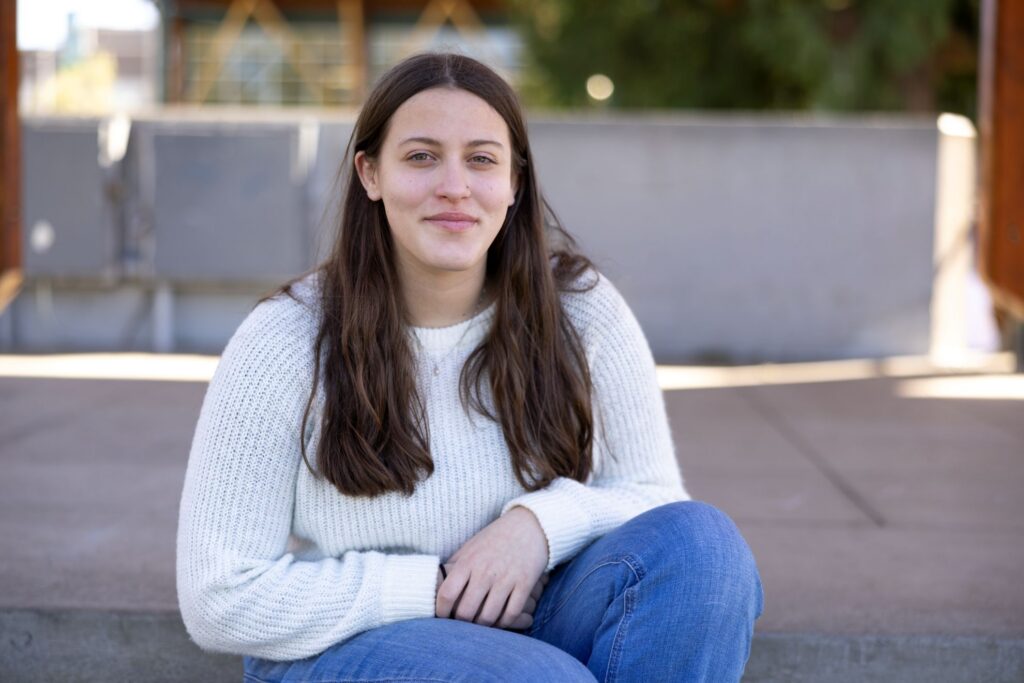
On July 28, Seattle Storm co-owner Celeste Keaton approached two teenage fans at Climate Pledge Arena who were holding a sign thanking Indiana Fever guard Sophie Cunningham for “speaking up for girls.” According to multiple reports, Keaton directed expletives at them over the sign, and the girls said Keaton called them “insane” and told them to stop. One of the girls, 16-year-old Washington high school athlete Ahnaleigh Wilson, said the confrontation left her shaken. The WNBA suspended Keaton from the Storm’s next five home games and fined the team, and Storm majority owner Ginny Gilder issued a statement apologizing that the incident happened.
A few weeks later, during an August 16 tilt between the Fever and Atlanta Dream, it happened again—this time to a mother and daughter. During overtime of that game, 17-year-old Annie Thomason and her mother, Kasey, were told by arena security that their XX-XY Athletics shirts were offensive and that they had to cover up or be escorted out. Security approached the fans during the overtime period and asked them to cover their shirts or be removed from the game. The league itself admitted fault: A WNBA spokesperson said the league was aware fans were asked by security to cover their shirts, adding plainly, “This should not have happened.” The Dream distanced itself just as hurriedly, stating that Dream personnel had no involvement in the security decision.
Two separate incidents. Two completely different cities. Zero fans who broke any actual rules.
The WNBA is sending a terrible message
Look past the individual incidents, and a pattern comes into focus. In Seattle, a team owner confronted teenagers. In Atlanta, security threatened a mother and daughter with ejection. In both cases, the fans weren’t heckling players, storming the court, throwing objects onto the court, or otherwise breaking a single posted rule. They were watching the game, wearing a shirt or holding a sign that said something the WNBA didn’t like.
Compare that to Minnesota Lynx head coach Cheryl Reeve, who wore a “Trans Kids Belong” T-shirt on the bench in full view of the cameras during a separate game against the Fever—and faced no pushback at all.
The message isn’t exactly subtle: One viewpoint is welcome at WNBA games, and the other gets you chewed out by a team co-owner. A league that claims to champion women can’t credibly do that while treating fans who actually show up for women’s sports like a problem to be managed.
The WNBA’s Legal Foul Trouble
While the league seems to be trying to handle these incidents on a case-by-case basis, this might not be enough.
Here’s why: Many WNBA arenas, including the ones in Atlanta and Seattle, are built with public funds and owned by public entities. Judicial courts have long held that when private organizations operate closely enough with government bodies, their actions can count as “state action”—meaning the same First Amendment rules that bind the government apply to them as well. If that’s the case here, the WNBA and its venue partners may not have the free hand they think they do to police what fans say, especially when those fans are being peaceful and not disruptive.
State and local public accommodations laws raise the stakes further. Many bar businesses from denying service based on protected traits like sex or religion—and some, including Seattle’s, go further and prohibit discrimination based on political ideology outright. Silencing a fan’s peaceful, non-disruptive viewpoint on a hot-button issue is a potential violation waiting to happen.
The good news: The fix is simple, and Alliance Defending Freedom wrote a letter outlining what the WNBA needs to do. Our letter asks the WNBA to train event staff and partners on these legal principles and adopt a league-wide policy that protects peaceful expression of diverse views at games. We’ve also offered to help draft such a policy.
The WNBA still has time to make things right before it fouls out for good.
Time for the WNBA to live up to its name
The WNBA didn’t have to choose between standing up for women and staying out of legal trouble—in fact, it turns out both point in the same direction. Training staff and adopting a clear, viewpoint-neutral policy costs the league far less than another apology tour, and far less than a lawsuit.
If any organization should lead with courage on this issue, it should be the one whose name begins with “Women’s.” That means embracing common sense and the indisputable truth that men aren’t women, and no amount of drugs can change that. It means protecting equal opportunities for women and girls in sports. And it means welcoming the moms, the daughters, and the teenagers who show up believing fairness in women’s sports is worth defending—not treating them like second-class citizens. The WNBA has said that these incidents shouldn’t have happened. The next step is making sure they don’t happen again. The ball is in the WNBA’s court. It’s time for them to take the shot on behalf of women and girls everywhere.

Related Articles