
Key Takeaways
- A California university enabled censorship and treated pro-abortion and other favored views better than groups like Students for Life.
- The California State University–San Marcos system agreed to change its policies and respect free speech after a federal court’s ruling.
- The First Amendment requires public universities to treat students fairly, regardless of whether university leadership agrees with the students’ beliefs.
The year is 1088 in Bologna, Italy. An ancient library containing centuries-old Roman texts was just recently discovered. A group of students banded together to find teachers to unlock the mysteries of the newly unearthed Justinian Code. They set the curriculum and paid the teachers. They even obtained a charter from the city of Bologna, setting their purpose as “the cultivation of fraternal charity… and the spiritual welfare of members.” Thus began the world’s oldest university still in operation today—and the university system as we know it.
These lofty ideals stand in stark contrast to much of higher education today. Many public universities have traded their formative mission for an ideological one, becoming instruments of political activism rather than places of intellectual and moral development. Some universities have given podiums to radical groups while shutting out those with beliefs rooted in the Bible.
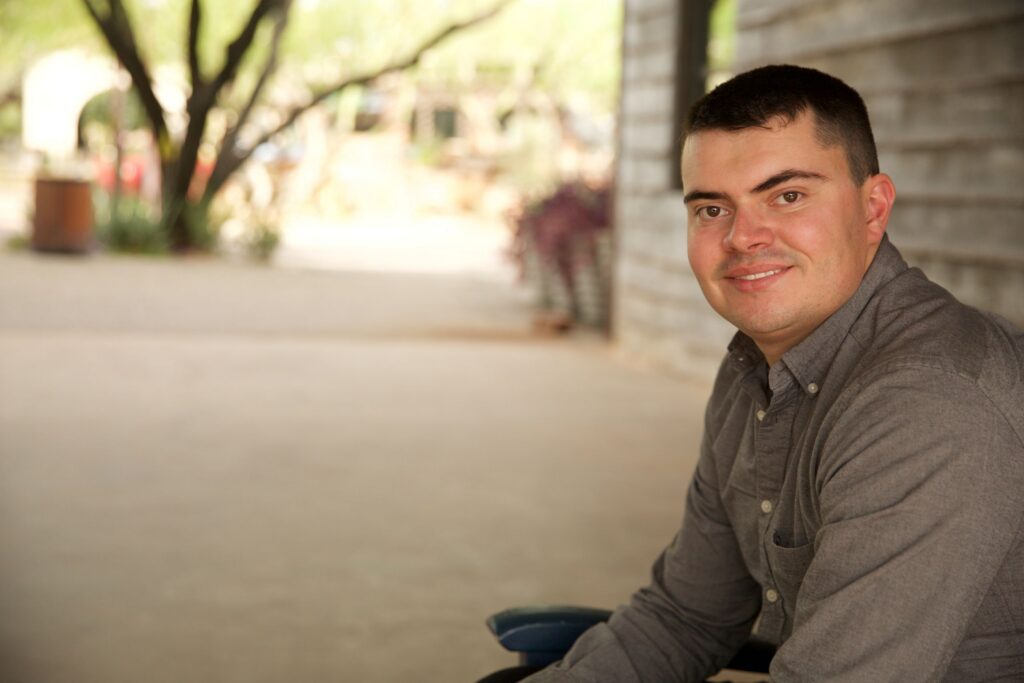
Nathan Apodaca was one such student. When Nathan requested $500 to host a visiting speaker on “Abortion and Human Equality” for his Students for Life chapter, his university denied his request, despite showering pro-abortion and pro-LGBT groups with hundreds of thousands of dollars from mandatory student fees.
Thankfully, Nathan stood up for the First Amendment and secured a massive win for free speech that rippled across the country’s largest four-year public university system.
Meet Nathan Apodaca
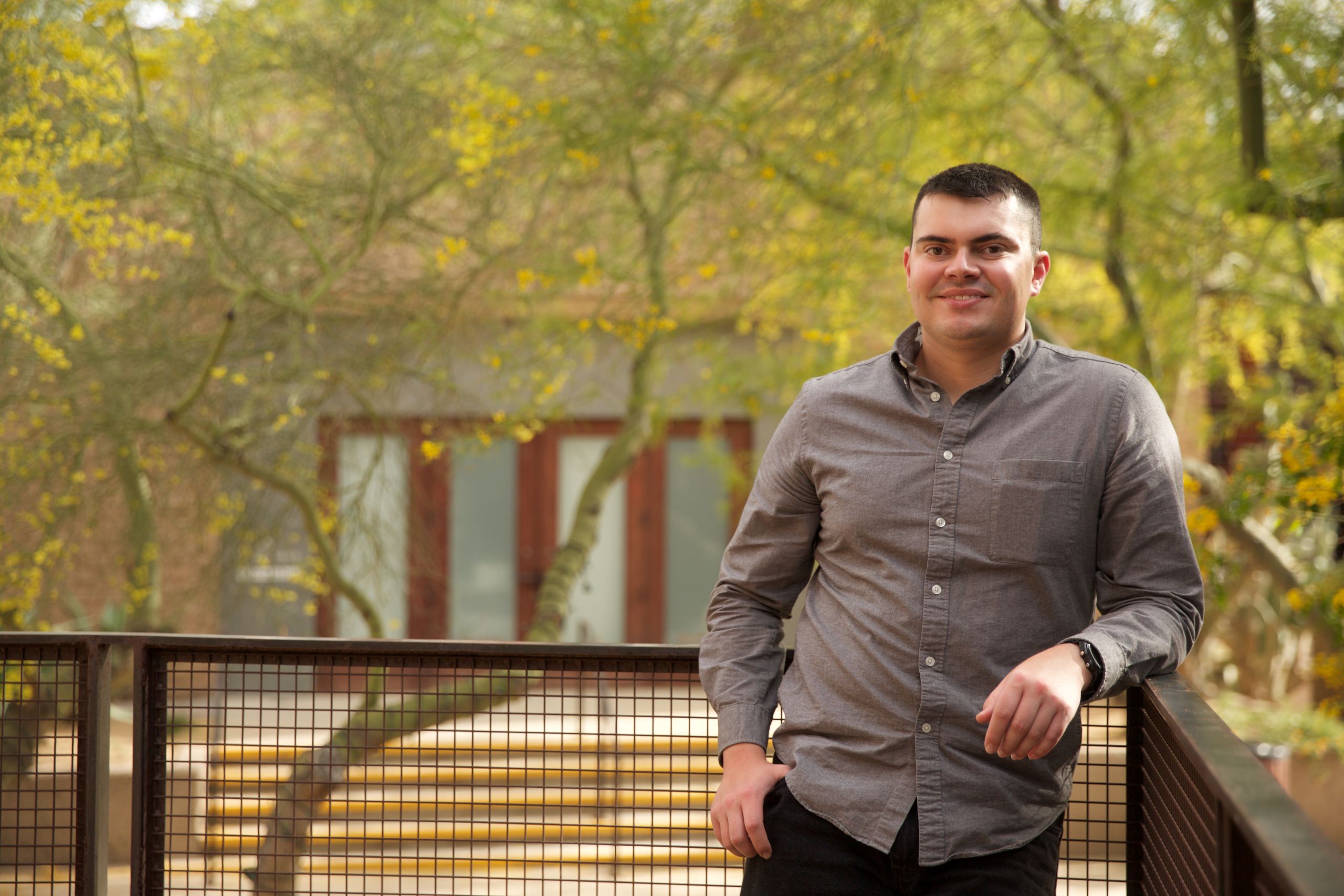
While he was a student at California State University–San Marcos (CSUSM), Nathan Apodaca served as the president of his Students for Life (SFL) chapter. The pro-life student organization advocates on campus for the sanctity of life from conception to natural death.
Like many other universities, Cal State–San Marcos requires every student to pay a fee each semester that goes toward student activities. Those fees are collected and disbursed by ASI, a nonprofit that partners with the university. Registered student organizations like Students for Life can receive up to $500 in funding from ASI per semester, but those funds cannot be used to pay speakers’ fees—that is, unless you’re one of a few organizations that get special treatment from the university.
CSUSM established two student-run “centers” that had their own set of rules. The Gender Equity Center (GEC) and the LGBTQA Pride Center were funded through student fees, but unlike most student organizations, they could pay speakers with those funds and received far more money from the university. In fact, the two centers got over $296,000 in one year from ASI, which was over 53% of the total funds reserved for student advocacy.
Both hosted events that promoted a radical view of human sexuality and identity. For example, the Pride Center hosted a “professional sexologist” for a presentation entitled “Kink 101.” GEC hosted pro-abortion lectures but never brought in a pro-life speaker.
Nathan’s application for funding gets denied
Nathan’s SFL chapter wanted to provide students the opportunity to hear from Professor Mike Adams, who was going to deliver a speech titled “Abortion and Human Equality: A Scientific and Philosophical Defense of the Pro-Life View.” The chapter had secured most of the funding required for the event but still lacked sufficient funds to fully cover Professor Adams’s expenses. So Nathan applied for ASI funding, knowing that the two other centers used those dollars to pay speakers. As he later described it, “We believed that a pro-life view could be reasonably defended in a public university forum—if given a fair hearing.”
His request was denied. But the ASI representative encouraged Nathan that the Gender Equity Center or the Pride Center may be able to fund a speaker if they were to co-sponsor the event. While he was skeptical of their interest, Nathan reached out to both and was turned down, then ignored when he asked why. He eventually had to cancel the event.
Cal State–San Marcos’s unconstitutional policies
CSUSM’s policies had no safeguards to prevent the university from allocating mandatory student activity fees in a viewpoint-discriminatory manner. After receiving an application, a small committee with absolute discretion decided whether to grant or deny it. Applicants needed to explain how the event would benefit students, opening the door to the committee’s subjective opinions about a topic’s merit impacting the final decision. The committee’s meetings were behind closed doors, and no record was kept. Students had no way to appeal a denial.
The university used its unbridled discretion to favor the speech and activities of the Gender Equity and Pride Centers, to the tune of $296,498 during the 2016-2017 academic year. The more than 100 other student organizations received a combined total of $38,269 from the mandatory student fees—just over 13% of the dollars given to the two centers. Additionally, they were subject to rules that the centers didn’t have to follow—such as the $500 cap per semester and restrictions on fees going to speakers. In Nathan’s words, “they were getting funding, but we were not.”
Nathan stands up for equal treatment and wins
The First Amendment demands that public universities provide equal opportunities for all points of view, even those that the leadership doesn’t agree with. University officials cannot silence viewpoints that contradict the message of the times. In the words of Kristan Hawkins, the president of Students for Life of America, “This [was] yet another example of a university using their power, along with student fees, to restrict speech they don’t agree with or particularly like.”
Nathan and every other student were required to pay the student activity fees. By failing to prevent viewpoint-based discrimination, CSUSM forced every student to pay for on-campus speech in a way that violated the First Amendment.
In May of 2017, with help from attorneys at Alliance Defending Freedom and Allied Attorney Daniel R. Watkins of Watkins & Letofsky, LLP, Nathan sued the university.
In 2019, a federal court ruled in Nathan’s favor. Since the university’s policies failed to prevent discrimination, they “ha[d] the effect of excluding unpopular viewpoints.” The committee that decided whether to grant or deny a request for funding met behind closed doors, with no oversight or appeals process, and unfettered judgment. That sort of “back room deliberation[]” is “exactly the kind of behavior the First Amendment is in place to prevent.” When public universities require students to pay these kinds of fees, they must have fair policies that prevent discrimination.
Cal State University system changes its policies to respect free speech
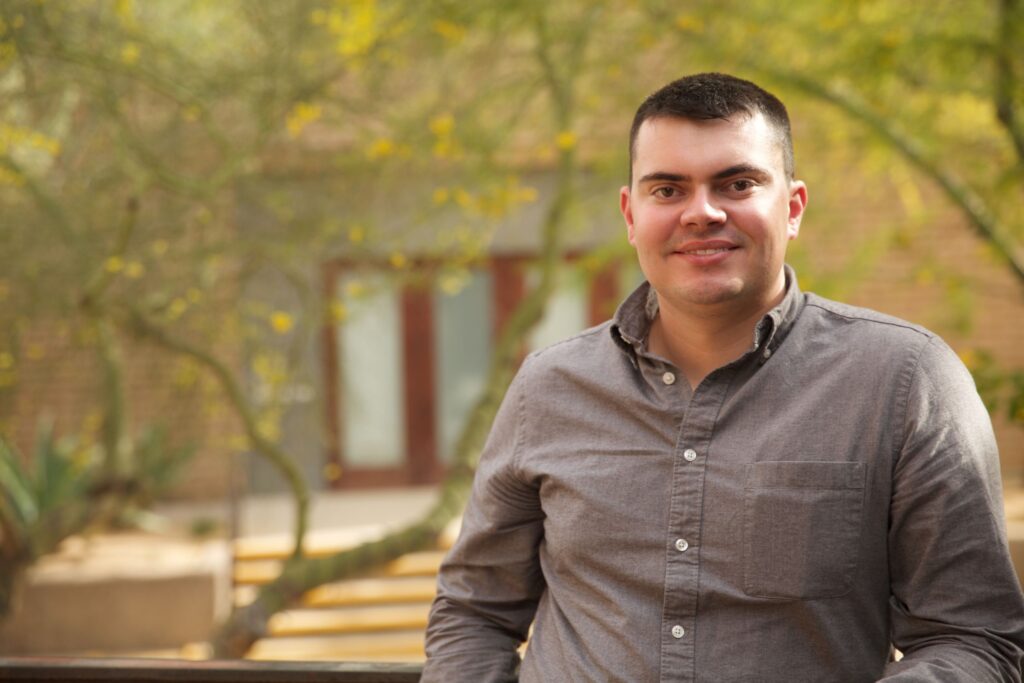
After Nathan won his case, the CSUSM agreed to change several of its policies to uphold free speech and comply with the First Amendment. It stopped using students’ fees to fund the Gender Equity Center and the LGBTQA Pride Center. Additionally, it committed to distributing ASI funds in a viewpoint-neutral manner and to stick to objective and definite standards. Groups like the Students for Life no longer have to justify their events to school officials. And any denials must be given an explanation as well as a process to appeal.
Additionally, the larger California State University system issued a directive to all 23 of its campuses. That directive ordered them to review and revise their policies to comply with the Constitution’s viewpoint-neutrality requirement.
Schools cannot fulfill their original design—to cultivate virtue and the welfare of the public—unless all are free to speak and live the truth. By God’s providence and Nathan’s courage, the 470,000+ students at CSU campuses have the freedom to advocate for their beliefs while being treated fairly by the colleges they attend.
Apodaca v. White
- March 2017: Nathan is denied funding for his Students for Life chapter’s event. That same year, the Gender Equity Center and LGBTQA Pride Centers received over $296,000 from the university in mandatory student fees. Due to lack of funding, Nathan was forced to cancel the event.
- May 2017: Nathan and Students for Life at San Marcus filed a lawsuit against California State Universities for violating the Free Speech Clause of the First Amendment.
- August 2019: A federal court ruled in Nathan’s favor, striking down CSUSM’s policy.
- January 2020: CSUSM agreed to change its funding-distribution policies to prevent viewpoint-based discrimination. Additionally, it agreed to stop funding the Gender Equity Center and the LGBTQA Pride Center with mandatory student fees. California State Universities, America’s largest four-year public university system, also ordered all 23 of its campuses to revise their policies to follow the requirements of the First Amendment.
Related Articles