Key Takeaways
- Anita Meston, a teacher with decades of experience, was directly asked whether she was “pro-abortion.” Anita responded that she was pro-life. The next day, her contract was terminated.
- Anita never imposed her beliefs on any student. She responded briefly before directing the class back to the lesson at hand. Despite that, the school informed her that she was not allowed to express any personal views in the classroom before firing her.
- What happened to Anita is nothing short of censorship and is another example of the ongoing deterioration of free speech in the U.K.
A student asked a teacher a question. The teacher gave an honest answer. It was one of the most ordinary moments in a school day imaginable. What happened next was anything but.
Anita has spent nearly 30 years in the classroom. A Christian, she was teaching at Biddick Academy, a state school in Sunderland, England, when a student asked where she stood on abortion. She said she is pro-life, answered a follow-up question, and then turned the class back to the lesson.
The next day, she was out of a job.
Anita should never have been punished for this. A teacher who answers a student’s sincere question briefly and honestly has not done anything wrong. She has done what good teachers have always done. Now she is standing up for her rights, and ADF is standing with her.
A Christian, a mother, a teacher
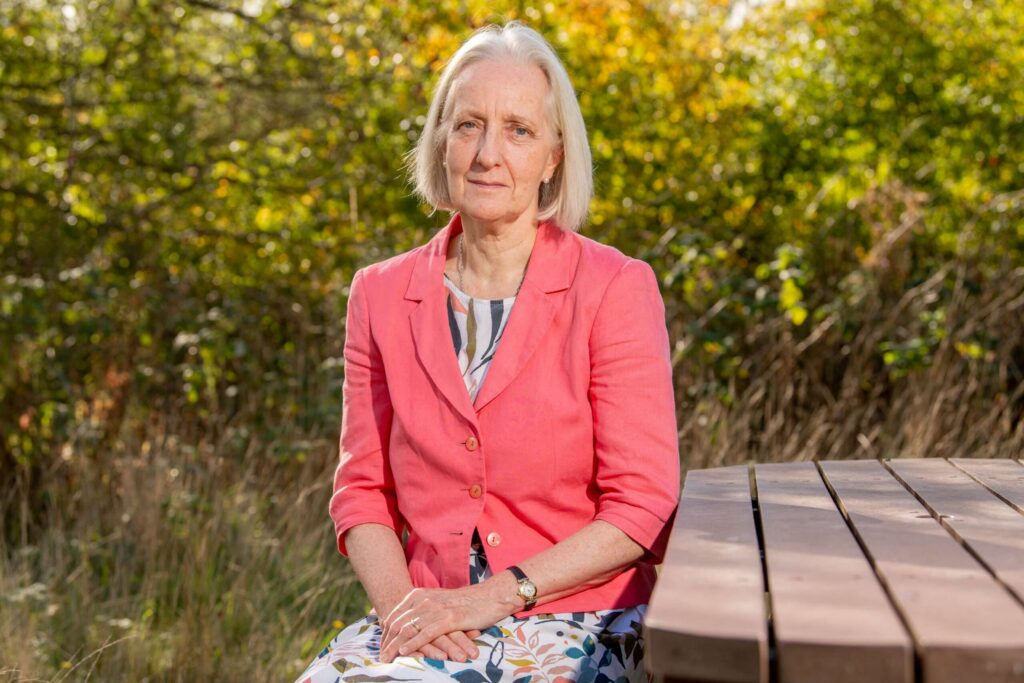
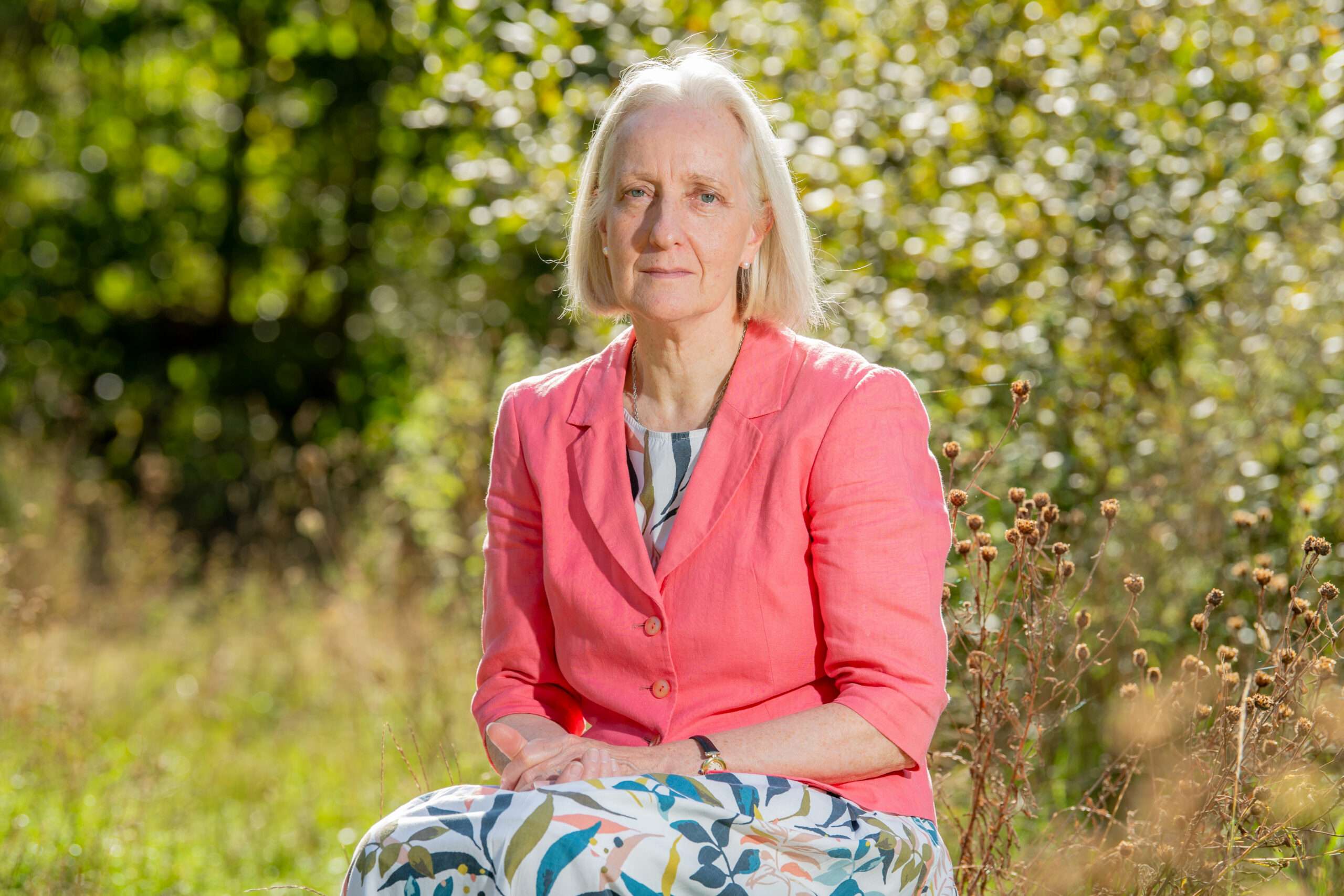
Anita Meston, 63, is a veteran teacher. With nearly 30 years in the classroom, she has worked in a number of schools. And at Biddick Academy she taught mainly French in the Modern Languages department, stepping in to cover other subjects when needed.
She is also a mother of three, and she says her faith shaped how she raised them. When asked about her pro-life convictions in a recent interview, she put it plainly.
“My children always came first in everything I did,” Anita said. “And that’s a Christian core belief. The life, the sanctity of life—I believe life is God-given and God-taken.”
What happened to Anita?
In March 2025, Anita was covering a Year 8 history lesson on the 1945 bombing of Dresden. To engage the class, she asked whether similar moral questions surround the Israeli-Palestinian conflict. At one point, a student said that he was “pro-Israel” and asked if Anita was too. She responded that she was, but lamented that innocent people in Gaza were caught in this conflict as well.
Later in the lesson, a student asked whether she was “pro-abortion.” Anita said she was pro-life. Asked to elaborate, she explained that she holds that view because she is a Christian and that she knows women who regretted their abortions. A student replied that she knew women who didn’t regret theirs. “Fair enough,” Anita said, and the class went back to the lesson.
The next day, the headteacher called Anita in, told her a complaint had been made, and said she was not allowed to share personal views in the classroom. Her contract would be terminated. The school had renewed it the week before.
Anita says she answered the student because she believed she owed her honesty.
“I felt she deserved an honest answer from me,” she said. “To build up a relationship with any student, you need to be honest.”
Now Anita is suing Biddick Academy for discrimination. The U.K. Equality Act protects religion or belief, and pro-life convictions are exactly the kind of deeply held Christian belief the law should cover. The final employment tribunal hearing is set for February 2028.
A growing issue abroad—and creeping at home
Unfortunately, Anita’s story is not unique. Free speech in the U.K. is deteriorating, and people who hold pro-life convictions are feeling it.
Consider Sara Spencer, an American midwifery student in Scotland and a mother of three. In April 2024, someone in a private Facebook group for midwives asked whether midwives can refuse to take part in abortions because of their beliefs. Sara answered that the law protects the right of conscientious objection and that she would personally object.
That was enough to trigger complaints. Sara was called into a meeting with her manager at NHS Fife, the Scottish health authority. Edinburgh Napier University then opened a “fitness-to-practise” investigation. NHS Fife suspended her placement while it ran, against the recommendation of the university’s own investigating officer.
With ADF’s help, Sara was cleared. The university found “no case to answer.” Even so, her professors have kept warning her about her social media use and calling her pro-life comments “inappropriate.” Sara expected to be able to “respectfully debate matters of medical law, ethics, and the philosophy of midwifery care” with her peers. Instead, she got a suspension.
This climate of censorship doesn’t stop at Britain’s borders. In December 2025, the European Commission fined X $140 million under the Digital Services Act, the first fine ever issued under the law. X is challenging the fine at the General Court of the European Union, with ADF attorneys supporting. In September, the U.S. Department of Justice asked to intervene in the legal proceedings in support of X, arguing the Commission is overreaching to control American companies.
A teacher in England. A student in Scotland. An American platform used by millions. Across the U.K. and Europe, the pressure on free speech is becoming a pattern—and it’s beginning to reach American shores.
Standing with Anita means standing for pro-life free speech
Anita Meston did what teachers do every day. A student asked a question, and she answered briefly before returning to the lesson. For that, she lost her job. Now she is having to defend a freedom that should already belong to every teacher, every student, and every person of faith in the U.K.
She isn’t asking for special treatment. She is taking on this fight, in her words, “not only for myself, but also so that the fundamental freedoms of speech, religion and belief are protected for Christians in schools across the country.”
A teacher should be able to answer a student’s honest question without losing her job.

Related Articles