Summary
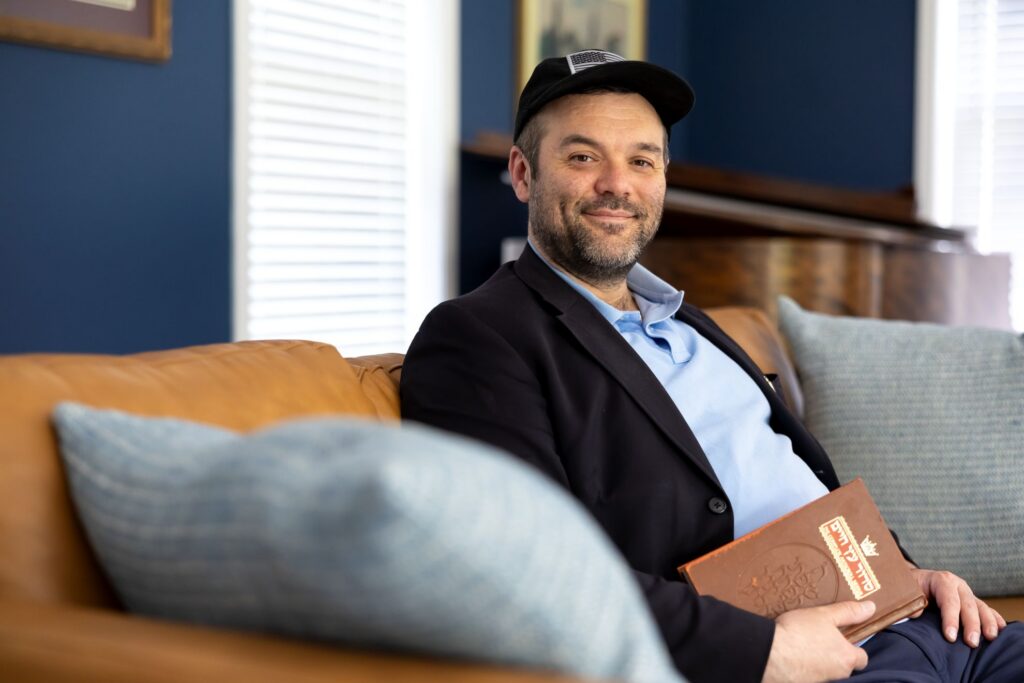
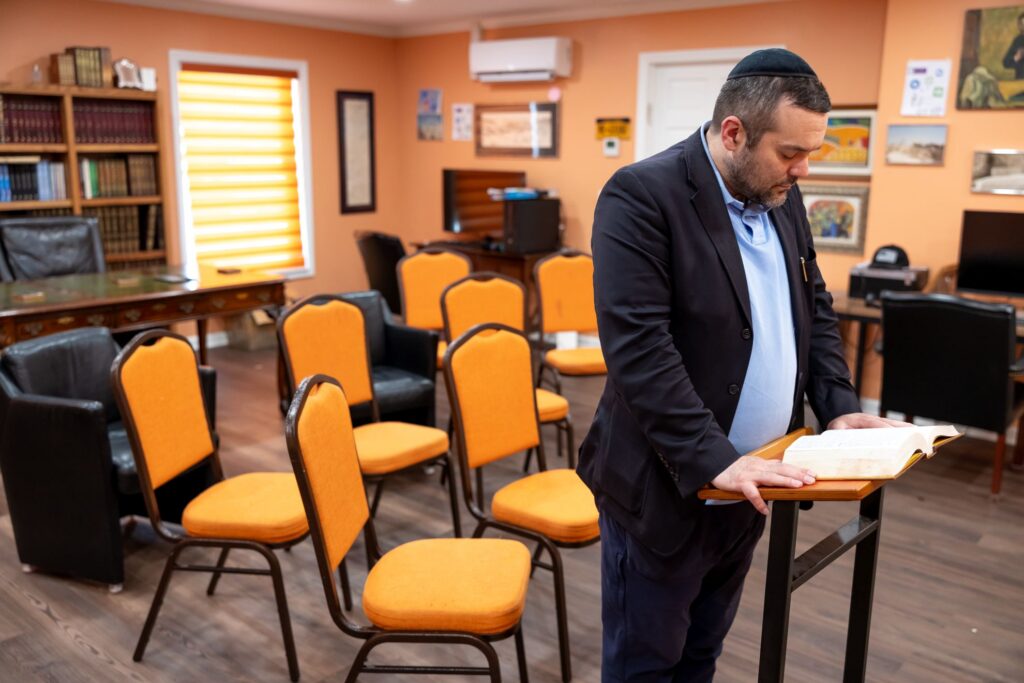
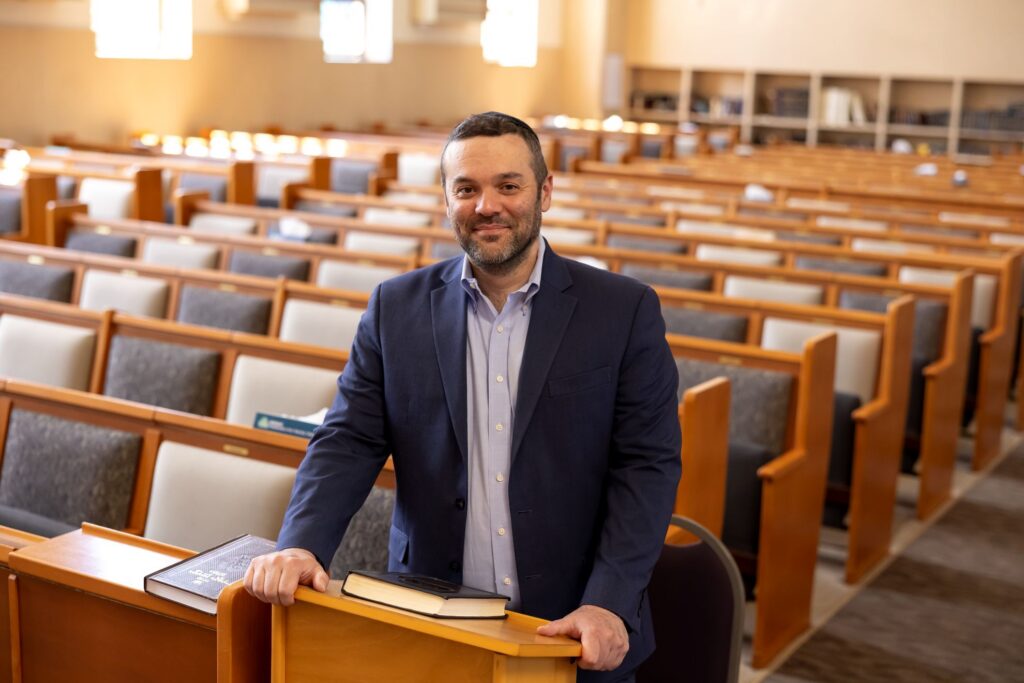
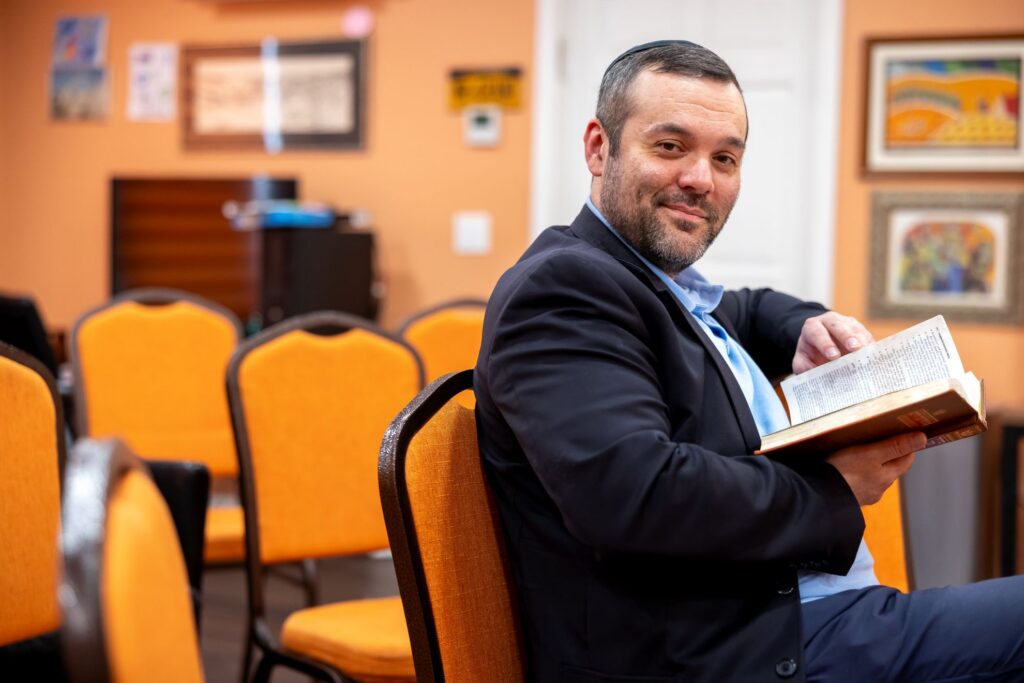
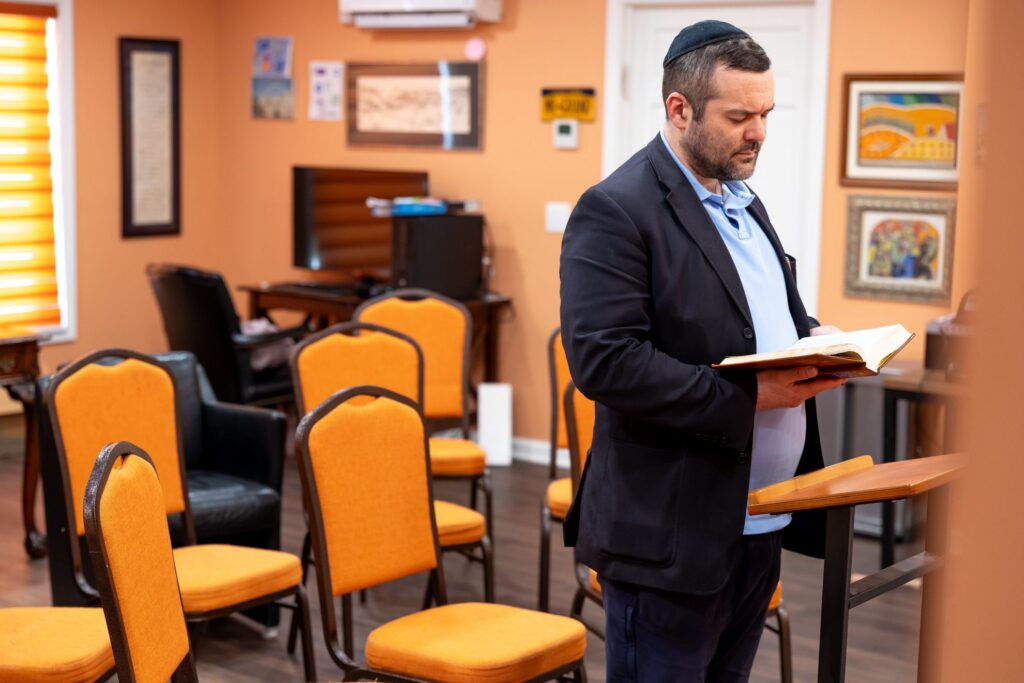
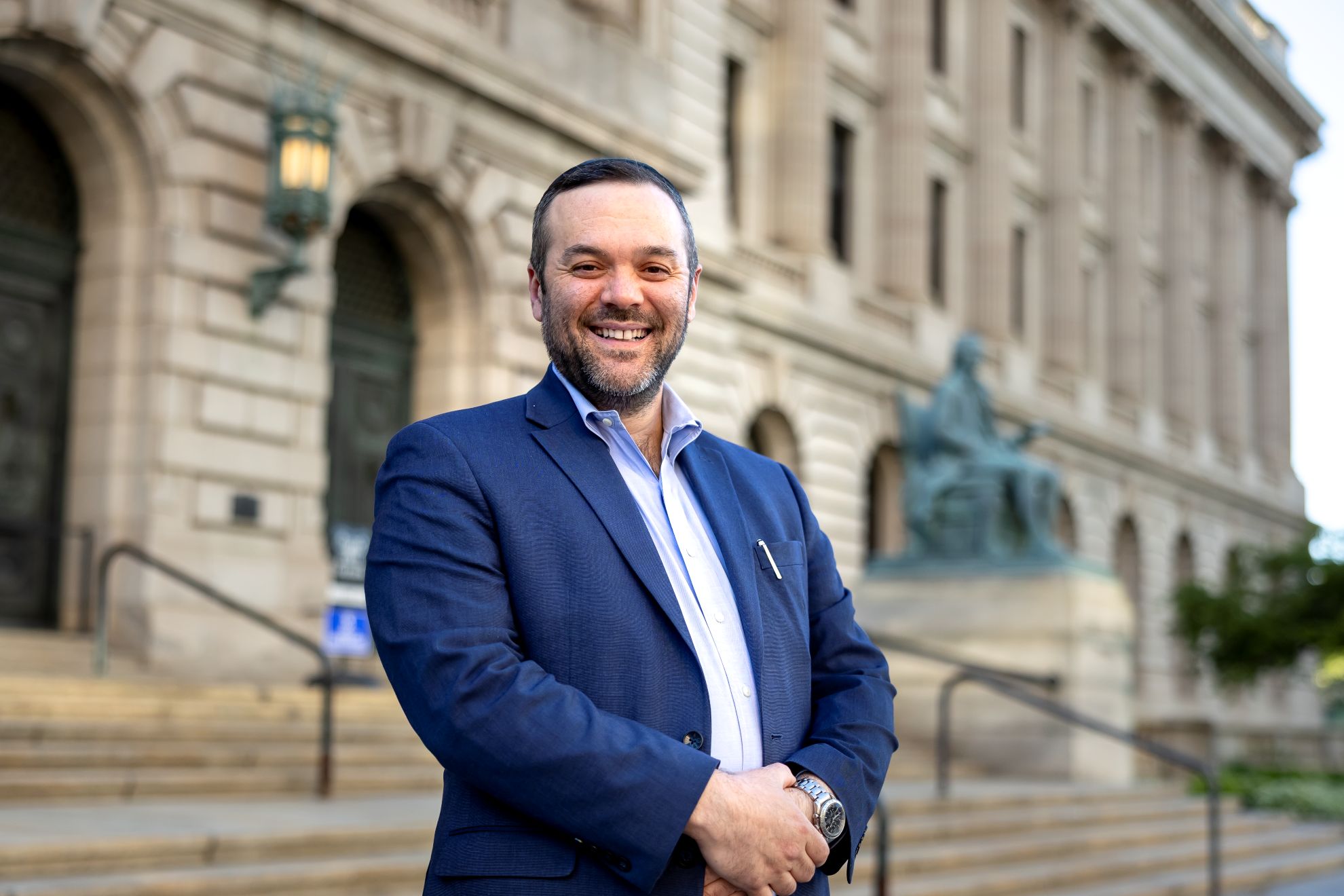
Daniel Grand is a devout Orthodox Jew who invited around 12 friends to form a prayer group in his home. But when the City of University Heights, Ohio, found out, it issued a cease-and-desist letter and falsely accused Mr. Grand of starting an illegal synagogue in his living room. It got worse from there. City officials ordered police to spy on Mr. Grand’s home and encouraged neighbors to file complaints if anyone visited. The City issued legally unfounded property violations, unlawfully withheld Daniel’s Certificate of Occupancy and tax abatements (costing him thousands of dollars in additional taxes), regularly failed to pick up his trash, and engaged in a broader pattern of harassing conduct that went far beyond ordinary zoning enforcement.
The City had no reason to limit Daniel’s prayer meetings. Because Orthodox Jews are forbidden from driving on those days, there would be no traffic or parking issues. Yet the City prevented the prayer group from ever meeting at his home. But when Daniel sued, a federal court dismissed his case because he did not fully pursue a legally unnecessary permit that would have converted his home into a commercial place for worship, also forcing him and his family to move.
You don’t need a city permit to pray with your friends. Every American has the right to peacefully practice their faith in their own home—and to seek relief from federal courts when government officials interfere.
Case Timeline
- January 2021: Daniel emailed about a dozen friends to invite them to form a minyan at his home the following Sabbath. Before any prayer meeting took place, the city’s law director issued a cease-and-desist order. Daniel submitted a special-use permit application in an attempt to comply.
- March 2021: The city held a public hearing for Daniel’s permit, but after the hearing appeared to be rigged against him and after he realized that getting the permit would require him to move, Daniel withdrew his application. The mayor declared the cease-and-desist order remained in effect, encouraged neighbors to report activity at Daniel’s home, and police began driving by his house.
- September 2022: Daniel filed suit in the U.S. District Court for the Northern District of Ohio.
- September 2024: The district court dismissed Daniel’s lawsuit.
- November 2025: The U.S. Court of Appeals for the 6th Circuit affirmed the dismissal.
- February 2026: Daniel petitioned the U.S. Supreme Court to review his case.
- May 2026: ADF and co-counsel Orrick, Herrington & Sutcliffe LLP filed a reply brief on Daniel’s behalf, urging the Court to review Daniel’s case.
- June 2026: The U.S. Supreme Court agreed to hear Daniel’s case.
Meet Our Client