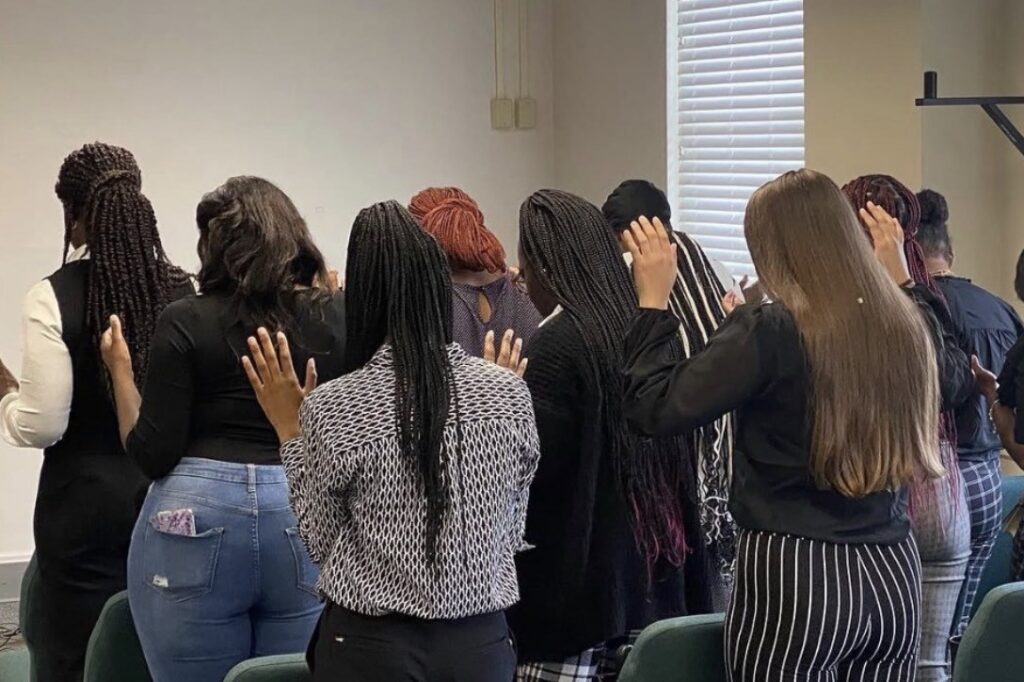

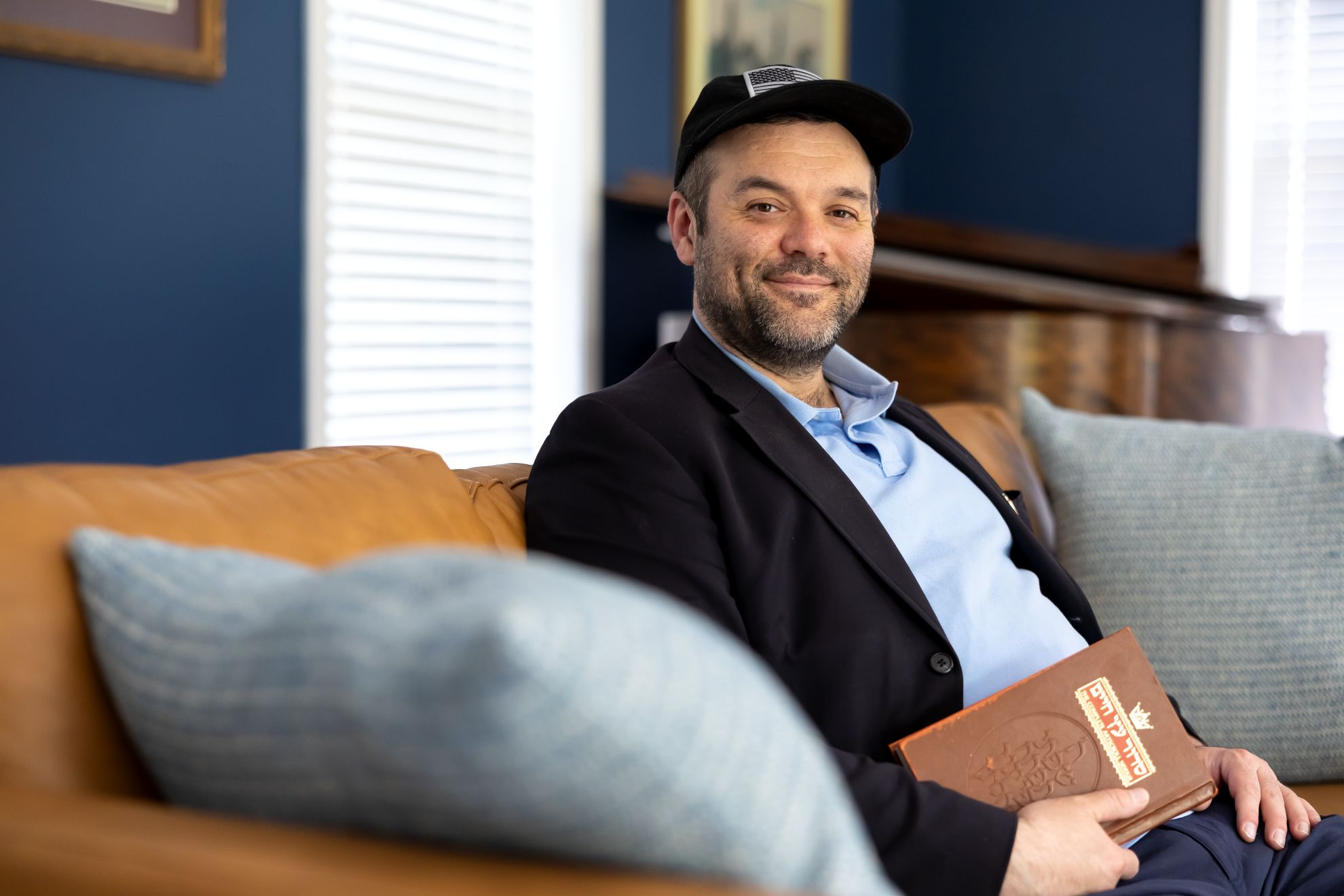
The email Daniel Grand sent was about as ordinary as it gets. He reached out to about a dozen friends in his neighborhood, inviting them to walk to his house the following Sabbath and pray together as a minyan—a traditional Jewish prayer quorum. No announcements. No signage. No noise. Just a quiet gathering of men who share their faith and live close enough to walk to each other’s homes.
A neighbor saw the email and informed the city’s mayor about it. The next day—before the prayer meeting could happen—the city’s law director sent Daniel a cease-and-desist order. It accused him of operating an illegal “place of religious assembly.” It threatened legal penalties. And it ordered him to stop.
That was just the beginning.
Who is Daniel Grand?
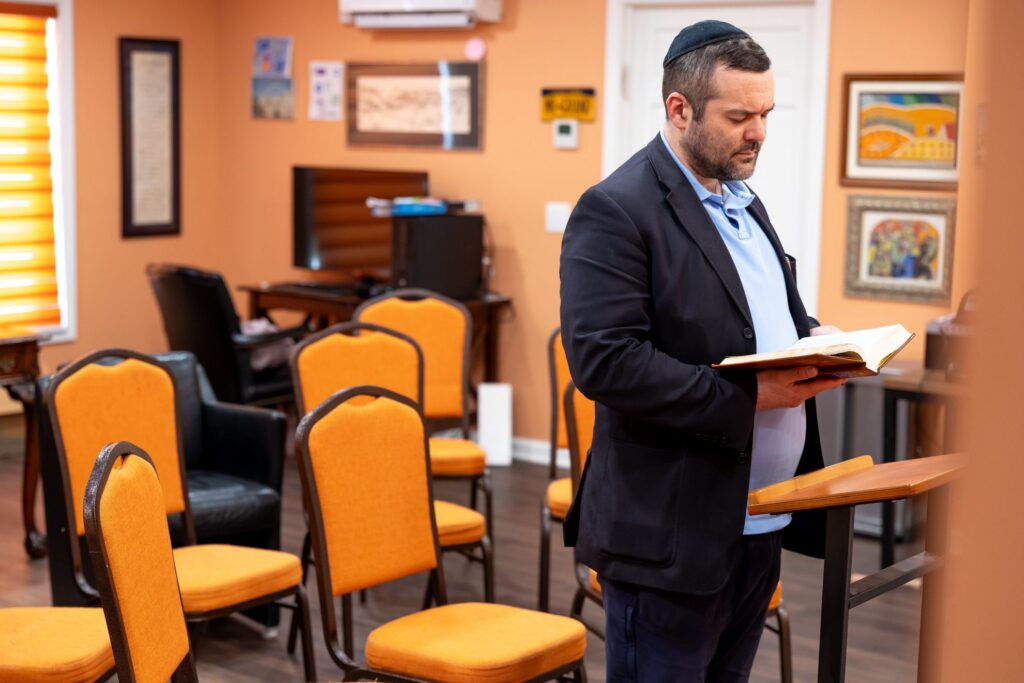
Daniel Grand is a devout Orthodox Jew who has lived in University Heights, Ohio, a small suburb east of Cleveland, since 2019. He bought his home to raise his family and live out his faith. For Daniel, those things are inseparable.
Orthodox Jewish practice calls for prayer three times every weekday and four times on the Sabbath and Jewish holidays. On those holy days, driving is prohibited, which means Daniel must either live within walking distance of a synagogue or gather with at least ten Jewish men close to home. A minyan isn’t a luxury for Daniel. It’s a religious duty.
But when he tried to live out his religious beliefs within the confines of his own home—something all Americans have the right to do—his city government told him to stop, citing zoning regulations.
What happened next had nothing to do with traffic, noise, or any legitimate zoning concern. It had to do with the fact that University Heights decided to classify Daniel’s prayer group the same way it classifies actual synagogues and other houses of worship—as “places of religious assembly” requiring a special-use permit.
A city that treated prayer as a zoning violation
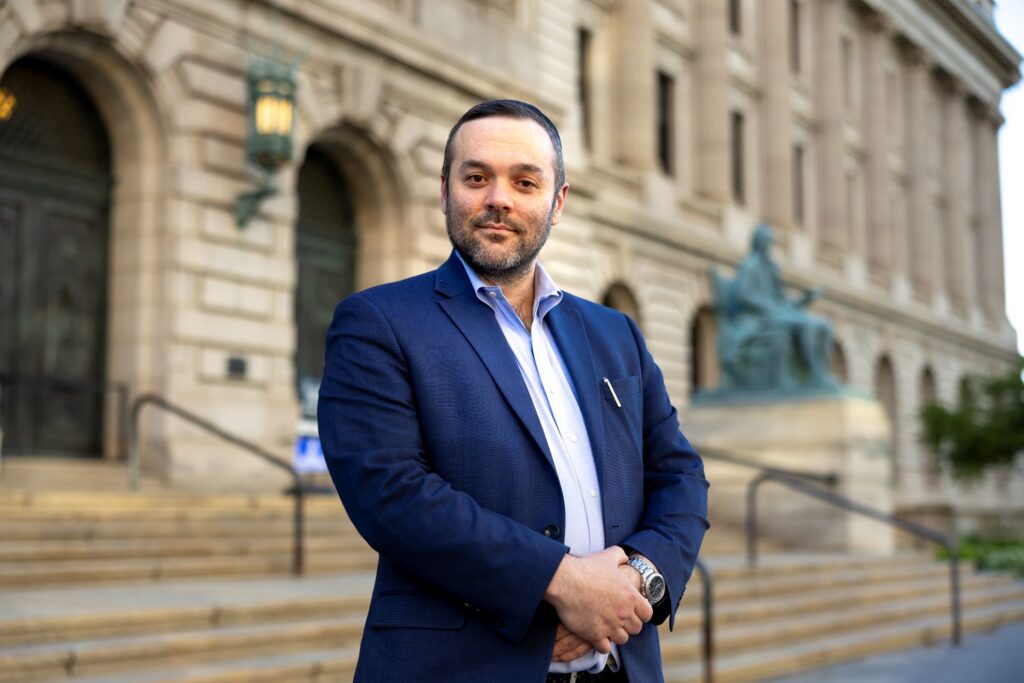
After Daniel had invited his friends in his neighborhood to the minyan, a neighbor informed the mayor about Daniel’s email and asked the mayor to “put a stop to this.” Within a day, the city had issued a cease-and-desist order to Daniel.
The cease-and-desist order was vague. It never defined what made a gathering a “place of religious assembly.” It set no limit on the number of guests that would be permitted. It offered no path to legal compliance short of obtaining a special-use permit—the kind typically required for actual churches, temples, and other houses of worship. And it threatened “additional remedies” if Daniel did not comply.
Daniel tried to work with the city and began the process of filing for the permit. But when the hearing for his permit arrived, the city switched the format of the hearing to “quasi-judicial” without warning, locking the record and preventing Daniel from presenting additional evidence.
The public hearing that followed was marked by overt hostility. Some neighbors sent letters opposing the permit with statements like, “I am not Jewish and I do not want our neighborhood labeled as Jewish.” But Daniel was prevented from submitting statements from others in the community who supported him.
Then came another twist. Daniel discovered that obtaining the permit the city had told him to apply for would have barred “sleeping or residential use” on any property governed by the permit. So the only way to legally host a prayer group in his home was to stop living there, convert his family’s home into a non-residential space, and move out.
Faced with a process that seemed rigged against him, Daniel withdrew his application.
Surveillance and harassment
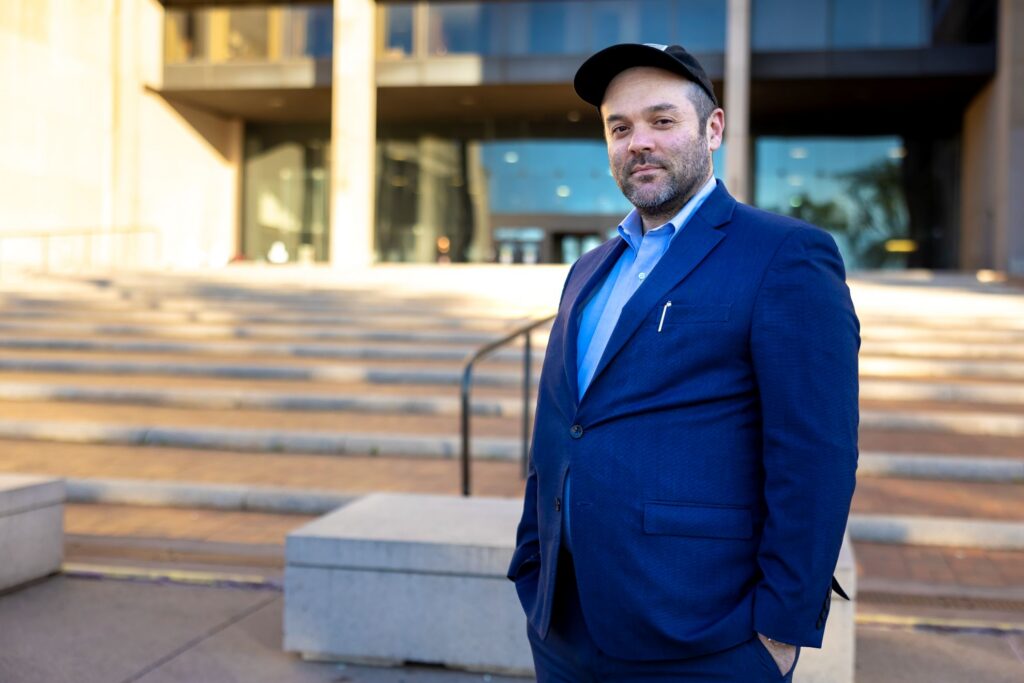
After Daniel withdrew his application, the city escalated. The mayor declared publicly that the cease-and-desist order remained in full force. He then turned to the community—urging Daniel’s neighbors to surveil his home and “report” any “activities consistent with those in a house of assembly.” Police patrols were directed to drive past Daniel’s house. The city prosecutor launched baseless housing code investigations against him.
But the harassment didn’t end there. The city withheld Daniel’s Certificate of Occupancy and tax abatements, resulting in substantial additional taxes. City workers even began skipping his home on trash-collection days.
These weren’t bureaucratic oversights. They were a coordinated pattern of pressure, all directed at one man’s attempt to practice his faith at home.
The Supreme Court has agreed to hear Daniel’s case
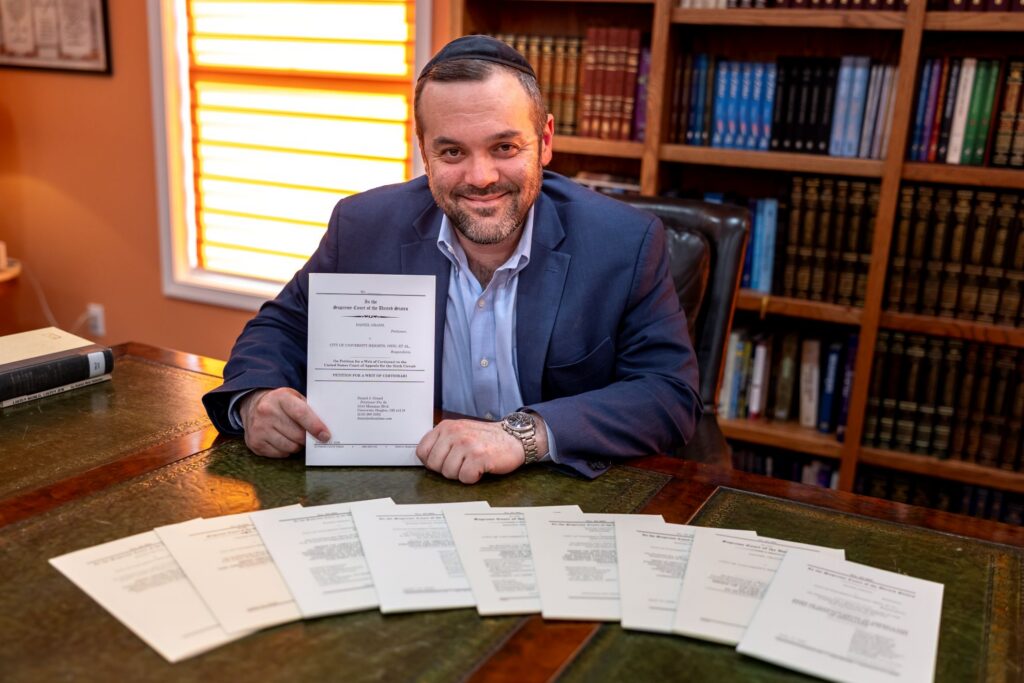
In 2022, Daniel filed suit in federal court for violations of his First Amendment rights, the Religious Land Use and Institutionalized Persons Act (RLUIPA), and other federal and state laws.
But the district court dismissed his case, and the U.S. Court of Appeals for the 6th Circuit agreed, saying that because Daniel hadn’t fully completed the permit process, his case wasn’t ready to be reviewed by a court. They never addressed the constitutionality of the city’s actions.
In February 2026, Daniel petitioned the U.S. Supreme Court to hear his case. He wrote that petition himself, and it garnered the support of nine amicus briefs. Alliance Defending Freedom then came on as co-counsel, alongside Orrick, Herrington & Sutcliffe LLP. Together, we filed a reply brief on Daniel’s behalf, urging the Court to hear his case. Thankfully, in June 2026, the Court agreed to hear Daniel’s case.
This case matters beyond Daniel. Home-based religious gatherings are a vital part of how millions of Americans worship: weekly Bible studies, prayer groups, Sabbath minyanim, and fellowship meetings. If local governments can shut them down with a cease-and-desist order before anyone can challenge them in court, every single one of those gatherings is at risk.
No American should need a permit to pray at home
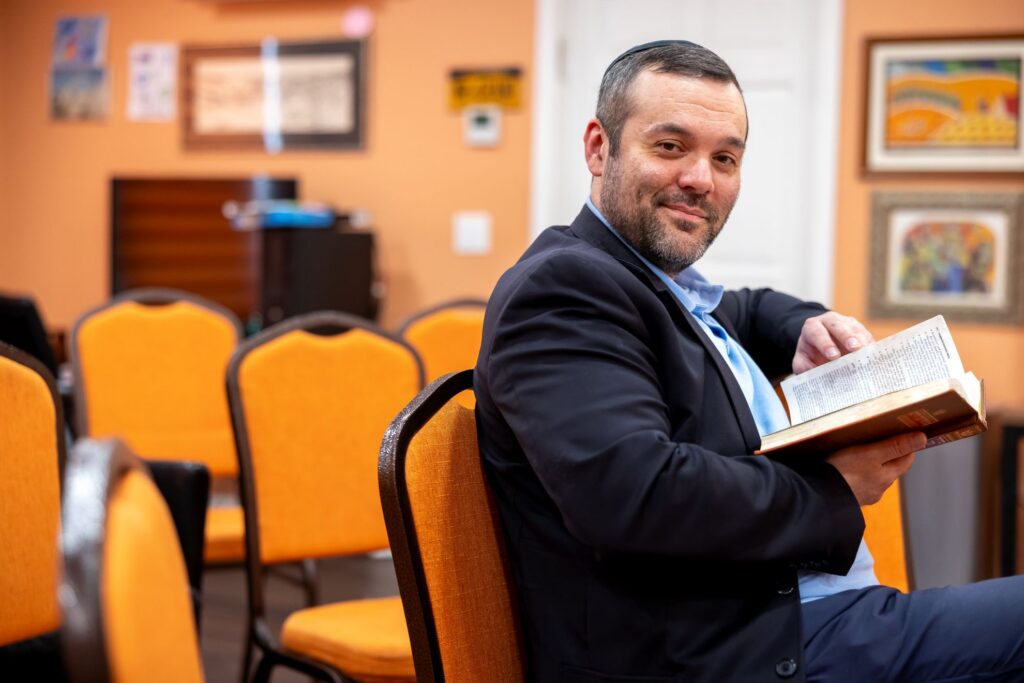
Daniel Grand is not asking for special treatment. He is asking for the same freedom that every American is supposed to have: the right to live out his faith in his own home, among friends, without the government’s permission. If Daniel’s next-door neighbor invited nine friends over for a weekly poker night or a Tupperware party, his city would not require a special permit to operate a “casino” or “storefront.” Neither should Daniel’s home be labeled a “place of religious assembly” because he wants to host a prayer group.
That freedom is worth fighting for. The outcome of Daniel’s case could have broad ramifications on whether government officials across the country can silence home prayer gatherings with a zoning law, harassment, and endless delays.
ADF is committed to seeing this through. But cases like Daniel’s don’t happen without the generosity of people who believe that religious freedom is worth defending. Your support helps make it possible to stand with clients like Daniel all the way to the Supreme Court. Will you give today?
Related Articles