
Key Takeaways:
- Daniel Grand, an Orthodox Jew, wanted to host a small prayer gathering of around 12 people in his home.
- The City of University Heights issued a cease-and-desist order, falsely labeling his home a “place of religious assembly,” and demanded that he get a permit. It then ordered police to monitor his home and encouraged neighbors to file complaints about visitors.
- When Daniel sought relief in federal court, the case was dismissed because he had not completed the permit process—one he shouldn’t have had to start in the first place.
- Alliance Defending Freedom and co-counsel Orrick, Herrington & Sutcliffe LLP are asking the Supreme Court to clarify that Americans don’t have to exhaust a zoning permit process before challenging a government threat to their religious freedom. The Supreme Court has agreed to hear the case.
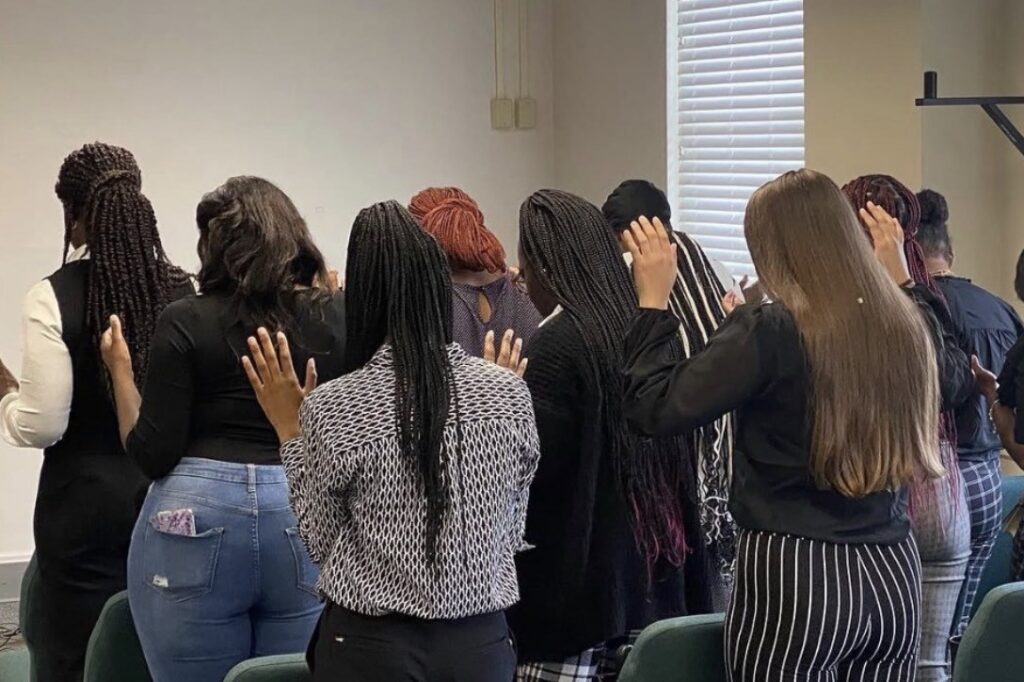
For many Americans, hosting a small religious gathering in their home is a regular part of how they practice their faith. In fact, one recent study shows that 31 percent of Evangelical Christian churches hold small-group meetings in homes. During these gatherings, people will often pray, read Scripture, have meals together, and fellowship with one another.
So when Daniel Grand, an Orthodox Jew, wanted to host a small prayer group in his home, he wasn’t expecting to have to go on a multi-year legal quest to defend his religious freedom.
But that is exactly what happened when the City of University Heights, Ohio, demanded he get a permit to pray, citing zoning regulations. And when he questioned that response, the city responded with police surveillance, neighborhood opposition, and a years-long pattern of harassment.
Now, Alliance Defending Freedom and co-counsel Orrick, Herrington & Sutcliffe LLP are asking the U.S. Supreme Court to protect every American’s right to host a prayer gathering in their home. And the Supreme Court has agreed to hear Daniel’s case.
A man of prayer
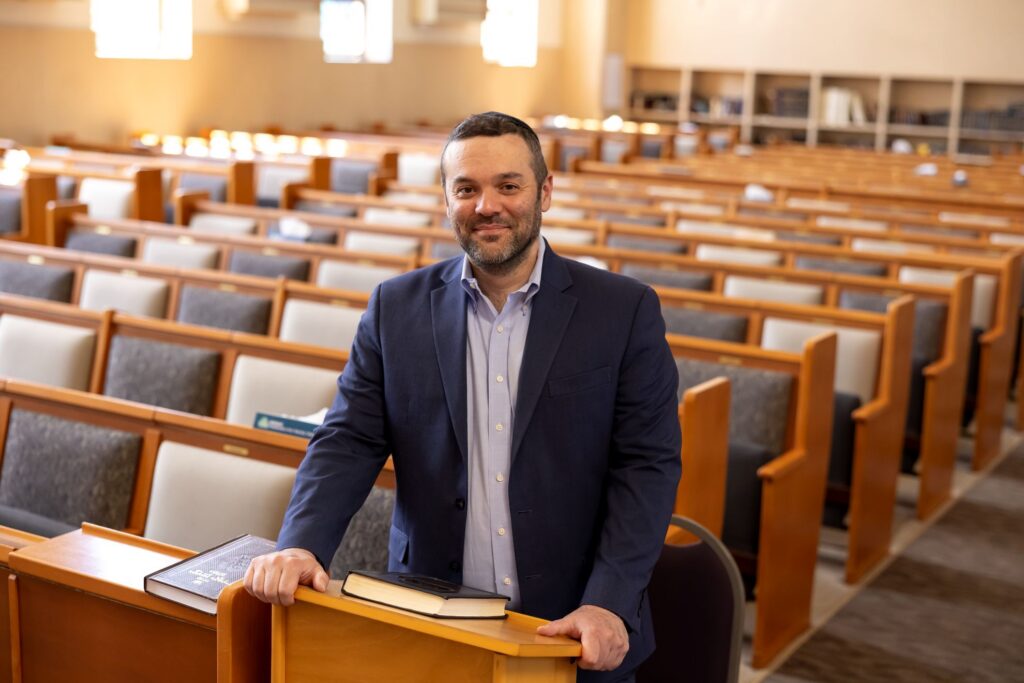
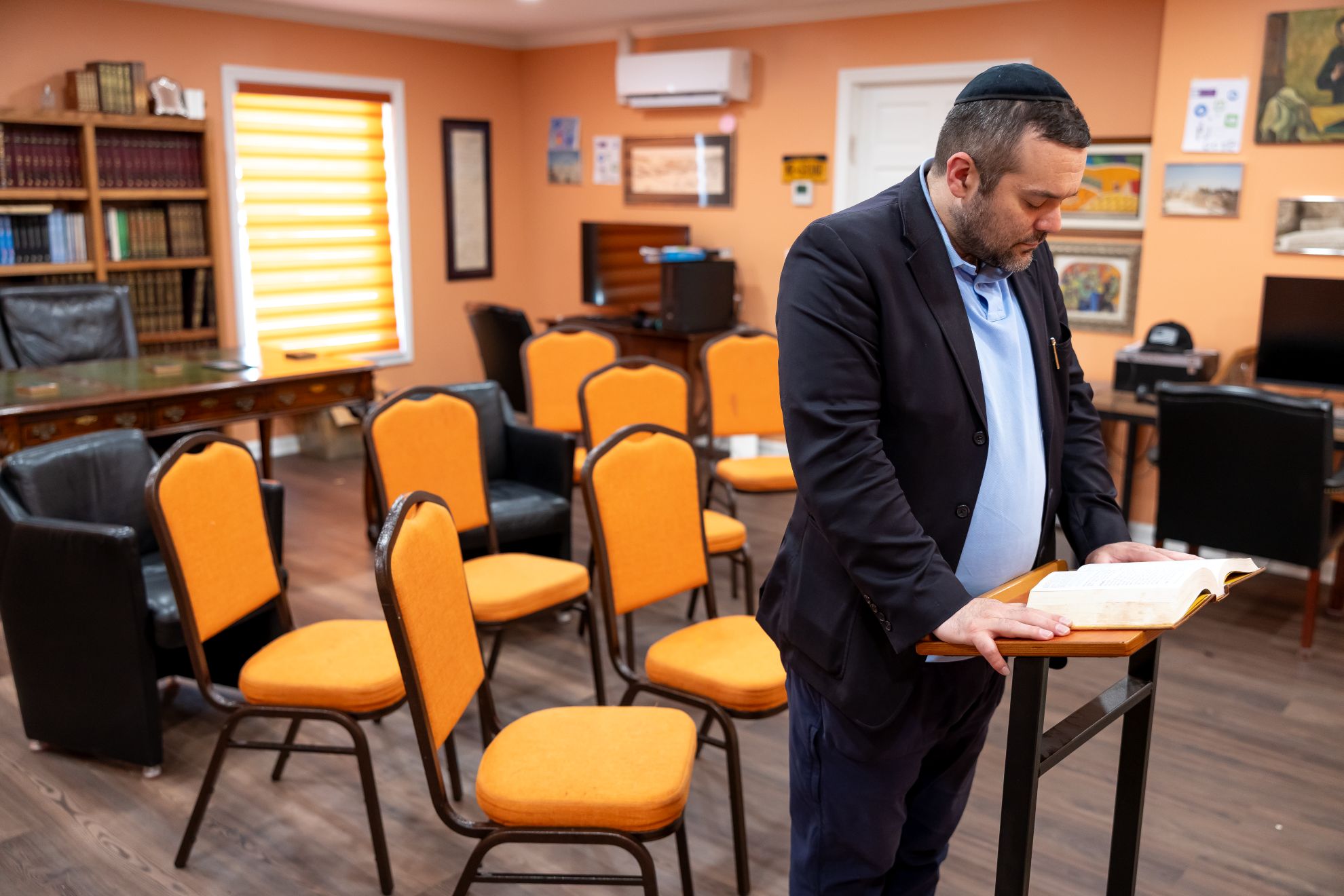
Daniel Grand is a devout Orthodox Jew living in University Heights, Ohio. For Daniel, prayer is not incidental to daily life—it is central to it. As an Orthodox Jewish man, he is required to pray with a minyan (a prayer quorum of at least ten adult males) three times every weekday, and four times on the Sabbath and holidays, when driving is prohibited. That means he must either live within walking distance of a synagogue or have a place nearby to gather with at least ten Jewish men for prayer.
So when Daniel wanted to host a minyan in his home on the Sabbath and Jewish holidays, he was simply trying to fulfill a core religious duty. The gathering would involve no changes to his home, no signage, no noise, and no disruption to the neighborhood. Indeed, because no one would be driving, there wouldn’t even be so much as a parked car. It was, in every sense, a quiet gathering of friends.
University Heights engages in a pattern of harassment
In January 2021, Daniel emailed about a dozen friends to invite them to form a minyan at his home the following Sabbath. But a neighbor found out, informed the mayor about the email, and asked him to “put a stop to this.” Before any prayer meeting took place, the city’s law director issued a cease-and-desist order directing Daniel to stop using his home as a “place of religious assembly.” The order did not define how many visitors would make Daniel’s home a place of religious assembly. It simply told Daniel to stop.
Daniel did not ignore the order. At first, he applied for a special-use permit—the process the city pointed him toward. But the permit process was designed for actual churches, temples, and large institutional religious uses, not for a spare room in a private home used for prayer. Worse, obtaining the permit would have forbidden Daniel and his family from “sleeping or residential use.” In other words, the only way to legally host a prayer group at his home was to stop living there.
When Daniel attended the hearing for his permit, city officials switched the format of the hearing without warning, locking the official record and preventing Daniel from adding evidence or updating his application. Neighbors had even been solicited by the city to voice opposition against Daniel. And since the official record was locked, Daniel was prevented from presenting evidence and testimony in his favor. Facing a process that appeared rigged, Daniel withdrew his application—one he should never have had to submit in the first place.
That was just the beginning. The city continued to harass Daniel. After he withdrew his application, the mayor made clear that Daniel would still need a permit to host the prayer meeting and threatened legal action against him if he violated the ordinance. The mayor coordinated with several other city departments to monitor Daniel and his family, ordering police to monitor Daniel’s home on their regular patrols, and encouraging neighbors to spy on them and report on visitors to his home. The city also withheld Daniel’s Certificate of Occupancy and tax abatements—costing him thousands of dollars in additional taxes—regularly skipped his home on trash-collection days, and directed the city prosecutor to pursue baseless housing code investigations against him.
All this, just because he wanted to host a simple prayer group in his home.
What has happened in Daniel’s case so far?
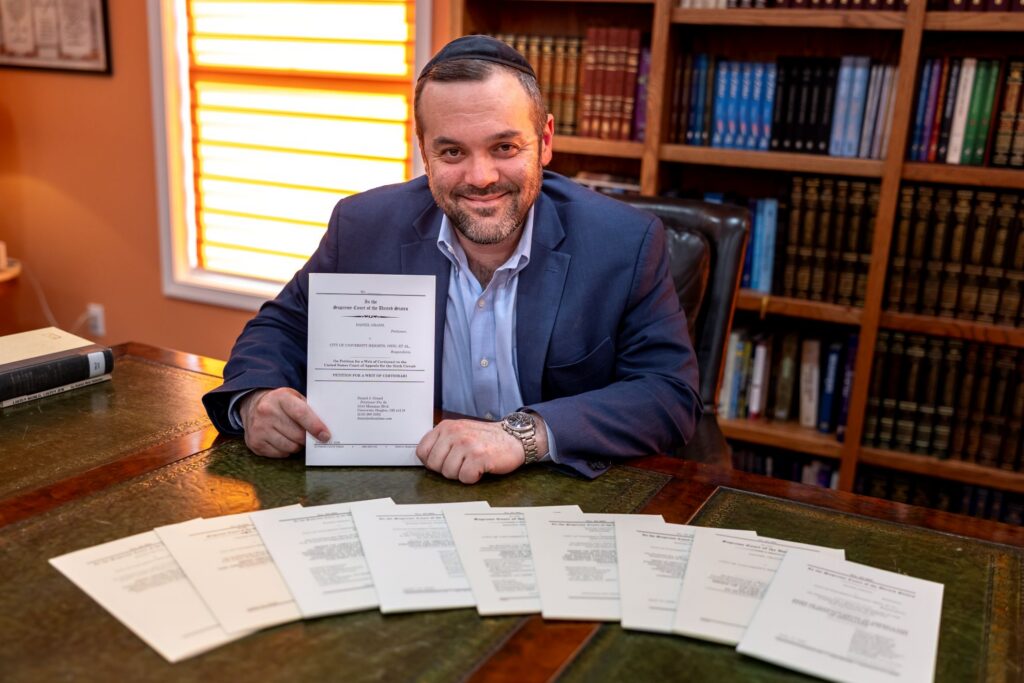
Daniel filed suit in federal court in 2022. But both the district court and the U.S. Court of Appeals for the 6th Circuit dismissed his lawsuit, saying that he needed to complete the permit application first and await a “final decision” before they could make a ruling.
But Daniel shouldn’t be required to begin that process in the first place. Daniel wasn’t seeking a zoning modification the way a property developer would. He was simply trying to exercise his First Amendment rights in his own home. The way the city treated him was a clear violation of his rights—one courts should address immediately.
Daniel is now asking the Supreme Court to hear his case and affirm that no permit process should stand between a citizen and his First Amendment rights. He even wrote his own petition to the Supreme Court, which has garnered the support of nine friend-of-the-court briefs. Thankfully, in June 2026, the Supreme Court agreed to hear Daniel’s case.
Zoning laws have long been used against people of faith
Daniel’s story is not unique. When Congress passed the Religious Land Use and Institutionalized Persons Act (RLUIPA) in 2000, it did so after compiling what it called “massive evidence” of widespread discrimination. The findings were striking: Jewish congregations make up about two percent of the U.S. population but accounted for 20 percent of recorded zoning discrimination cases. Faith groups representing just nine percent of the population were involved in 50 percent of reported zoning disputes. For example, in New York, local governments weaponized zoning laws to keep an Orthodox congregation from building a rabbinical college. A similar scenario played out with a Pentecostal church.
What makes Daniel’s case especially stark is what the city did not target. If one of Daniel’s neighbors invited people over for a poker night or Tupperware party, the city would not require a special permit to operate a casino or storefront. Only a Jewish prayer group seems to require a permit for a “religious place of assembly.” The city’s selective focus on Daniel’s minyan was not neutral zoning enforcement—it was targeting religious exercise.
The bottom line
Every American has the right to host a prayer gathering in their home. When government officials forbid that, courts must hold those officials accountable.
Grand v. City of University Heights
- January 2021: Daniel emailed about a dozen friends to invite them to form a minyan at his home the following Sabbath. Before any prayer meeting took place, the city’s law director issued a cease-and-desist order. Daniel submitted a special-use permit application in an attempt to comply.
- March 2021: The city held a public hearing for Daniel’s permit, but after the hearing appeared to be rigged against him and after he realized that getting the permit would require him to move, Daniel withdrew his application. The mayor declared the cease-and-desist order remained in effect, encouraged neighbors to report activity at Daniel’s home, and police began driving by his house.
- September 2022: Daniel filed suit in the U.S. District Court for the Northern District of Ohio.
- September 2024: The district court dismissed Daniel’s lawsuit.
- November 2025: The U.S. Court of Appeals for the 6th Circuit affirmed the dismissal.
- February 2026: Daniel petitioned the U.S. Supreme Court to review his case.
- May 2026: ADF and co-counsel Orrick, Herrington & Sutcliffe LLP filed a reply brief on Daniel’s behalf, urging the Court to review Daniel’s case.
- June 2026: The U.S. Supreme Court agreed to hear Daniel’s case.
Related Articles