
When most Americans bring up the First Amendment, it’s usually in reference to freedom of speech. And that makes sense, given the obvious importance of that protection. But the First Amendment protects so much more than that—from religious freedom, to the right to petition the government, to the freedom of the press.
The First Amendment also protects our freedom of association. If you want to band together and quietly support a cause you believe in—without the government breathing down your neck about it—the First Amendment gives you that right.
Another implication of that right is the freedom to associate anonymously. That includes both the organizations you decide to be a member of and the organizations you choose to support. And outside of specific contexts like elections or support for terrorism, the government has no right to inquire into what you choose to financially support. And it especially has no right to target charities or their donors just because it dislikes their views.
That’s why it’s so disturbing that politicians have gone on the offensive to do exactly that. And few cases crystallize that risk better than what’s happening in New Jersey under attorney general Matthew Platkin. Overtly pro-abortion, he worked with Planned Parenthood to target pro-life pregnancy centers and now is asserting the most baseless of claims to demand that one such center turn over the names of its donors.
The important work of pregnancy centers
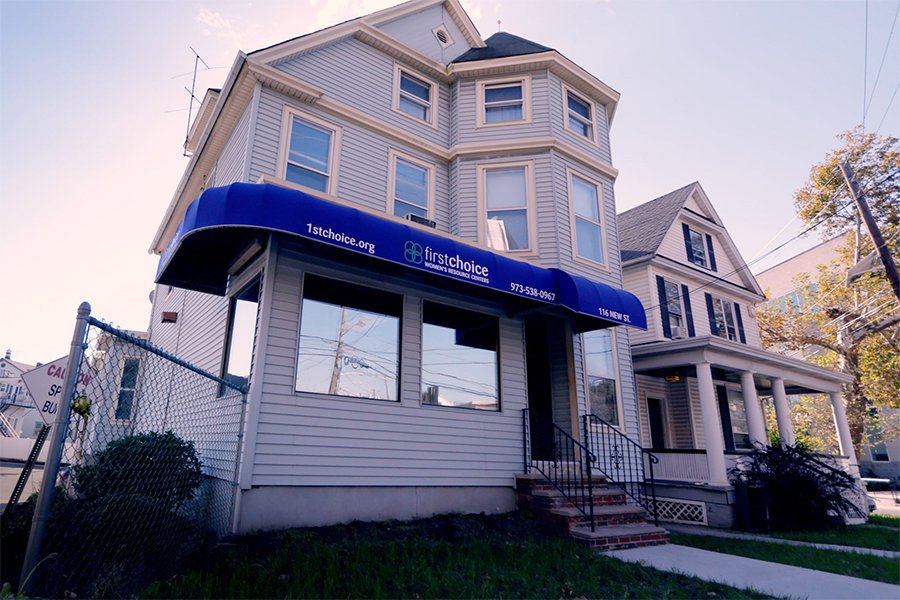
Unlike abortion facilities, pregnancy centers focus on helping mothers and their unborn children. They accomplish this noble goal through free services, such as ultrasounds, counseling, and parental education. Pregnancy centers also help provide material goods, like clothes, diapers, and car seats.
First Choice Women’s Resource Centers, for instance, operates five locations in New Jersey and offers services free of charge. In its 40 years of operation, it has served over 36,000 women facing unplanned pregnancies.
Despite the obvious good that pregnancy centers like First Choice provide, they’ve still faced an inexplicable amount of hostility.
Dozens of pro-life pregnancy centers have been firebombed, vandalized, and threatened just because they refuse to perform abortions.
Given that sort of targeted violence, it’s understandable why some pro-life supporters would want their information to remain private when donating to pregnancy centers.
And it’s critical that those donors be given that anonymity. Their generosity is the lifeblood of most of these pregnancy centers, which are generally non-profit organizations. Dissuading them from donating would be catastrophic for pregnancy centers and the women and children they serve. Yet that’s exactly what New Jersey’s radically pro-abortion attorney general is working hard to do.
An abuse of government power
Matthew Platkin is a staunch supporter of abortion who has never hidden his disdain for pro-life supporters. He says pro-life groups are “extremists attempting to stop those from seeking reproductive healthcare that they need.” He instituted a $5 million grant program to fund and expand abortion services in New Jersey. And worst of all, he asked Planned Parenthood to help him draft a consumer alert warning New Jerseyans not to go to pregnancy centers because they do not perform abortions.
Platkin crossed a serious line in November 2023, when he issued a subpoena to First Choice demanding that it turn over years of its most sensitive information, including the names behind more than half of its donations. That outrageous demand is based on a laughable theory: that First Choice—a pro-life pregnancy center—has hoodwinked donors into contributing to an organization that they might believe performs abortion. He says he needs their names to confirm they weren’t deceived.
Think about that for a moment. An elected government official is targeting a group and its donors because he doesn’t like what they stand for. Pro-abortionists may be rooting this on right now, but what happens when the shoe is on the other foot?
If a government can do this to First Choice, it can do this to anyone. And that’s a dangerous precedent to set.
The Supreme Court has already protected donor anonymity
Perhaps the most puzzling part of Platkin’s actions is that the Supreme Court has already made crystal clear in landmark civil rights cases that donor anonymity is protected by the First Amendment.
In the 1950s, Alabama tried to force the NAACP to turn over its membership lists, which could have been used by white supremacist groups to target those members. In NAACP v. Alabama, the Supreme Court ruled against the state, recognizing that releasing the private information of NAACP supporters would threaten their jobs and their physical safety.
More recently, in one of ADF’s U.S. Supreme Court wins, Thomas More Law Center v. Bonta, the High Court ruled that California’s specific attempt to unseal private donor information was unconstitutional.
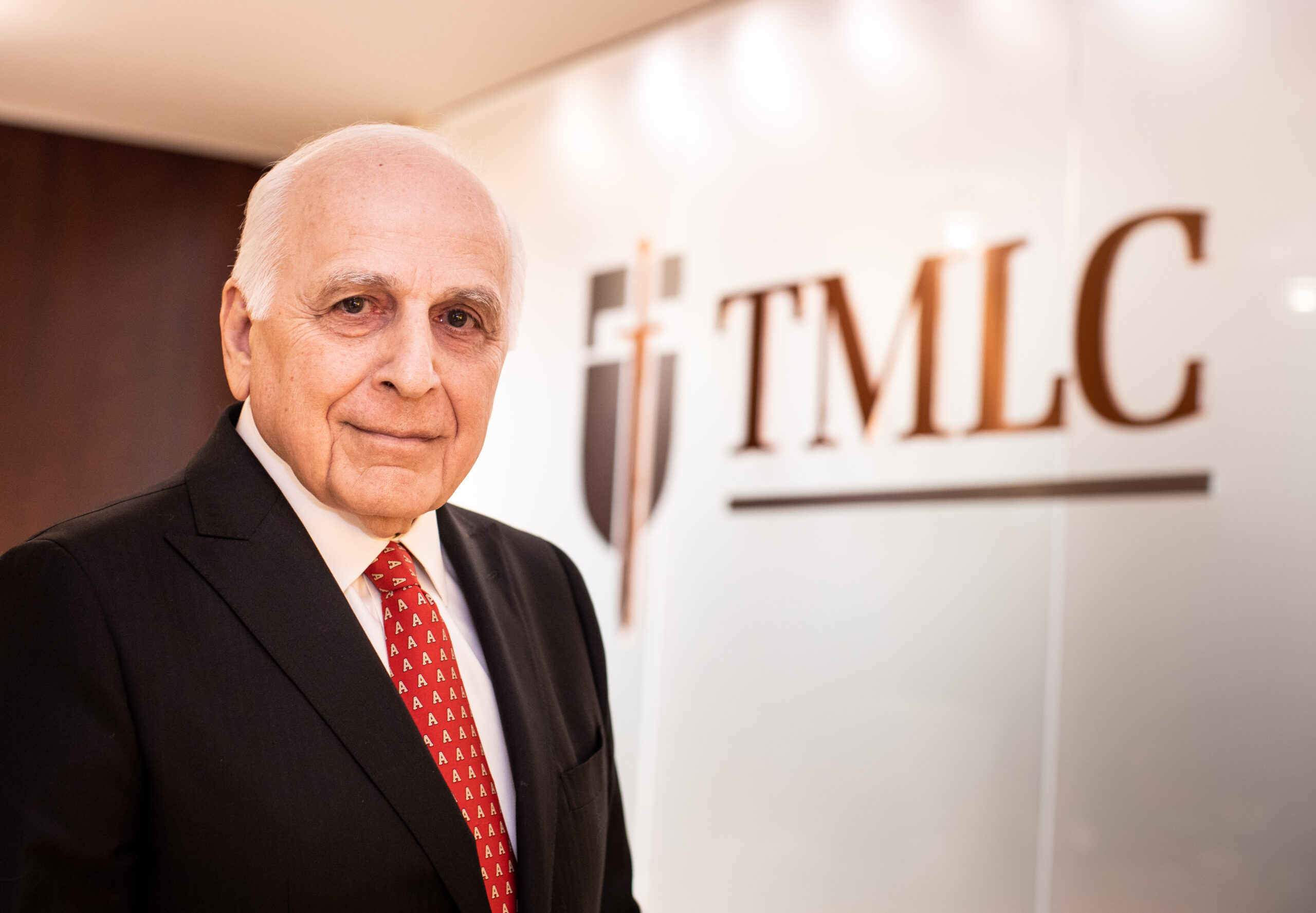
That case concerned a California law that required non-profits like TMLC to hand over private information on its top donors to the state Attorney General’s Office. The case was eventually taken up to the Supreme Court, along with Americans for Prosperity Foundation v. Bonta, which ruled that the Golden State had completely overstepped the First Amendment’s bounds.
But that only led to hostile states changing their tactics. Instead of using laws requiring broad-based donor disclosure, they have used subpoenas to target specific organizations they oppose. And pregnancy centers have borne the brunt of these new tactics.
In Obria v. Ferguson, ADF attorneys stuck up for a pair of faith-based, pro-life nonprofits like First Choice against government overreach from Washington state’s attorney general. Obria didn’t even need to reach the Supreme Court, as Washington Attorney General Bob Ferguson closed his “investigation” into these nonprofits after ADF helped file a lawsuit against him.
It is worth noting that in the Obria case, Ferguson was in denial that this “investigation” would harm the nonprofits. But after one of the clinics showed that Ferguson’s investigation caused it to lose insurance coverage and to pay seven times more for replacement coverage, the AG relented and withdrew his demands.
But despite these precedents, Platkin still insists on targeting First Choice and its donors.
Government officials cannot be allowed to weaponize their power
Let’s just call Platkin’s investigation what it is: ideological harassment disguised as law enforcement. And it is only masquerading as “pro-woman.”
Platkin isn’t protecting consumers—he’s protecting the monopoly that the abortion business has when it comes to women in crisis. Platkin, representing the state, has effectively told First Choice that if they don’t align with his agenda, he’ll make life hard for them and their supporters.
That should be unacceptable to anyone, regardless of where they stand on the abortion issue.
Even if you don’t live in New Jersey, what’s going on there with this attack on donor privacy should still give you pause. If the government can target First Choice today, other state officials could target churches, charities, or countless other groups tomorrow. That’s why even the ACLU has submitted a brief in support of First Choice at the U.S. Supreme Court.
Creating a culture free from government intimidation
Platkin’s attack on donor privacy is unconstitutional, plain and simple. Nobody—not pregnancy centers, nor their donors—should be targeted for their beliefs. When state officials target and harass groups over ideological disagreements, they should be held accountable in federal court for violating their constitutional rights.
ADF stands in support of all Americans having the right to support causes they believe in without government officials targeting them.
Related Articles