The last thing I expected that day was an emergency phone call from the mayor.
It was a Thursday afternoon in January 2021 when Michael Dylan Brennan — then mayor of University Heights, Ohio — left a message on my phone to call him back regarding an “urgent matter.”
Within 15 minutes — before I’d had a chance to call back — I received an email with a cease-and-desist order from the city directing me to stop using my home as a “place of religious assembly.”
I was shocked.
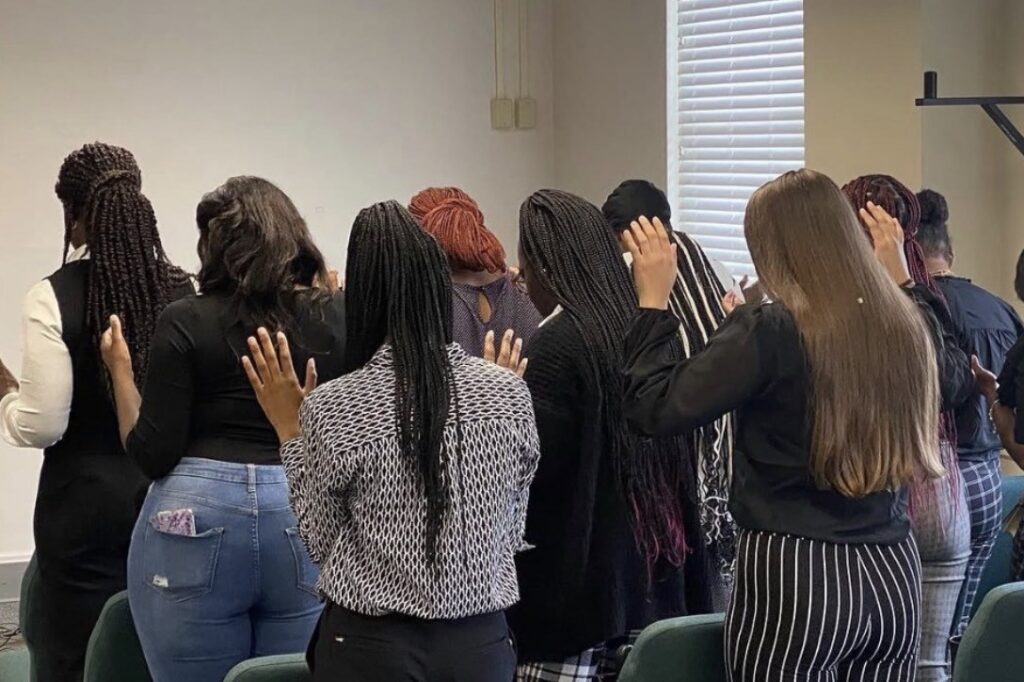
The day before, I’d emailed about a dozen friends who lived nearby, inviting them to my house for a small prayer gathering for the upcoming Sabbath. I had no idea how the mayor knew about this, let alone why he’d care.
I received an email with a cease-and-desist order from the city directing me to stop using MY HOME AS A “PLACE OF RELIGIOUS ASSEMBLY.”
But when I spoke with Brennan, he was emphatic. “You are under no circumstances allowed to have any type of religious gathering in your home without first obtaining a special-use permit,” he said. If I violated the order, he warned, “the city will take all legal means available to it.”
I understood this to be a threat of criminal prosecution. I called off the prayer meeting.
That was the start of an ordeal that’s lasted over five years. It has since grown into a legal battle now headed to the U.S. Supreme Court, where I’ll soon take a stand for the rights of all Americans.
I’m an Orthodox Jew. According to my faith, I am required to pray three times a day (morning, afternoon, and evening) with a minyan — a quorum of at least 10 men. This includes holy days and the weekly Sabbath (Friday sunset through Saturday nightfall) — periods when we are forbidden to drive.
Those who live within walking distance of a synagogue generally gather there, but those who don’t often need other options. Some of my friends and I live on the outskirts of town. The synagogue closest to my house is three-quarters of a mile away. To attend faithfully on the Sabbath — with services Friday evening, Saturday morning, Saturday afternoon, and Saturday evening — requires four round trips, totaling six miles.
For many people, these longer trips are difficult — especially for the elderly, the physically challenged, or those (like me) with young children we want or need to bring along. In winter or peak summer, it’s even harder.
So I decided to host a minyan in my home on the Sabbath and Jewish holidays. I knew it would benefit several of my friends who lived near me. And it wouldn’t inconvenience any of my neighbors. There would be no signs, no noise, and certainly no parking issues. Who could object?
But someone did. As I found out later, a resident who lives nowhere near me and had heard of my plans contacted the mayor, asking him to “put a stop to this.” Over the next few weeks, things got ugly.
The city told me I couldn’t have a prayer group in my home without a special-use permit. So I started the application process. Meanwhile, Brennan and others were whipping up opposition.
A public hearing for my permit was scheduled — a formal proceeding that would normally be attended by the applicant and a handful of residents directly impacted by the application. But Brennan arranged for residents he knew opposed my application to be notified of the hearing. The result was a hostile, shouting crowd that vehemently expressed its opposition for over an hour.
Before the hearing, I had submitted a petition with more than 200 signatures in support of my application to the City Planning Commission. But Brennan prevented me from mentioning it during the hearing.
Soon afterward, I learned that if the permit were granted, it would legally convert my home to an institutional place of worship — and my family and I would no longer be able to live there. So I withdrew my application. And then things got even uglier.
The mayor publicly urged neighbors to monitor my house and to report anything that looked to them like a religious assembly. Police were ordered to make “frequent drive-bys.” One neighbor set up multiple surveillance cameras directed at our home. Brennan later reviewed video footage from the invasive cameras.
The hits kept on coming. Trash collectors regularly skipped my home. The city prosecutor launched housing-code investigations, issuing bogus violations not found in the actual zoning code. My certificate of occupancy and tax abatements were withheld, costing me many thousands of dollars.
After more than a year of harassment, I filed a civil-rights suit in federal court. The court dismissed it for lack of “ripeness,” ruling that it couldn’t proceed until I finished the permit process so the city could make a final decision.
The problem wasn’t just that I had trouble getting the permit but that the city DEMANDED I GET ONE IN THE FIRST PLACE.
This ruling missed the whole point of my suit. The problem wasn’t just that I had trouble getting the permit but that the city demanded I get one in the first place. If my next-door neighbor invited friends over for a weekly poker night or Book of the Month Club meeting, the city wouldn’t require a special permit. They shouldn’t require one for a prayer meeting, either.
I appealed to the federal appeals court but got the same result: My case was dismissed again.
There was one venue left. In February 2026, I asked the U.S. Supreme Court to review my case and reinstate my lawsuit. That’s when the tide started to turn.
Several legal firms and groups that learned of my case expressed interest in representing me. After looking over my options, I chose attorneys with Orrick, Herrington & Sutcliffe and Alliance Defending Freedom. In June, I learned that the Supreme Court justices had agreed to hear my case.
I’m grateful for this development. Across the country, zoning laws have been used against people of faith far too often. City officials need to learn they’re not all-powerful. The Constitution has the final say. And God is in charge.
It’s been a long road so far, and there is still a long road ahead. I’m asking the Court to let my case proceed in a lower court because my constitutional rights were violated the moment the city told me I couldn’t pray in my home with my friends.
But I’m encouraged that the justices chose to hear my case, and I’m determined to see it through as long as it takes. God calls us to stand up for His name. Until He takes me off the earth, I’m not going to stop being faithful to that call.
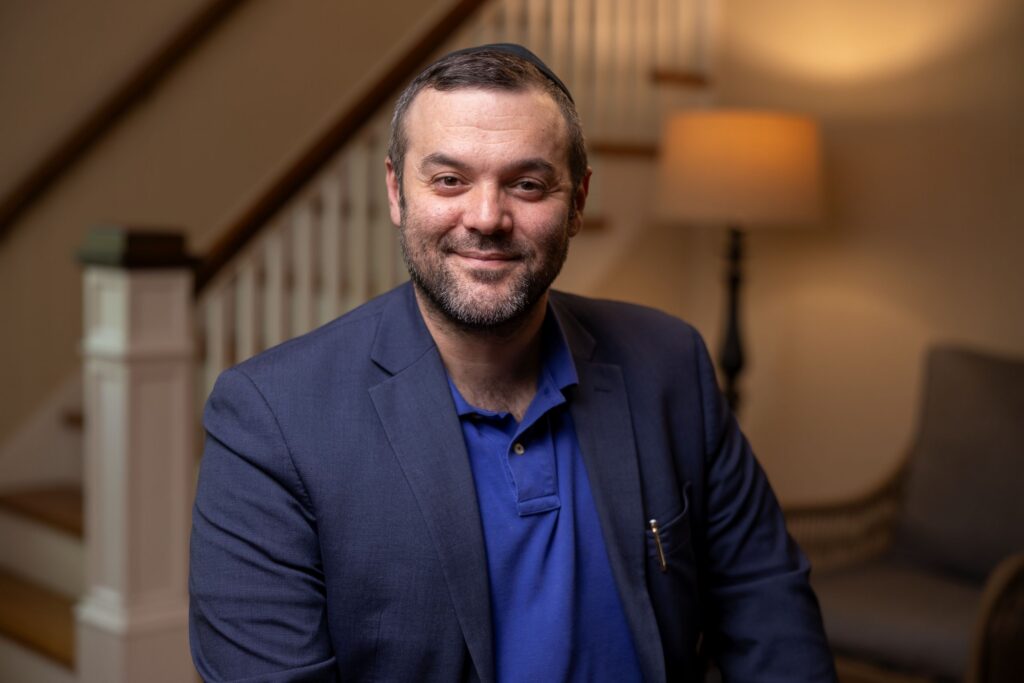
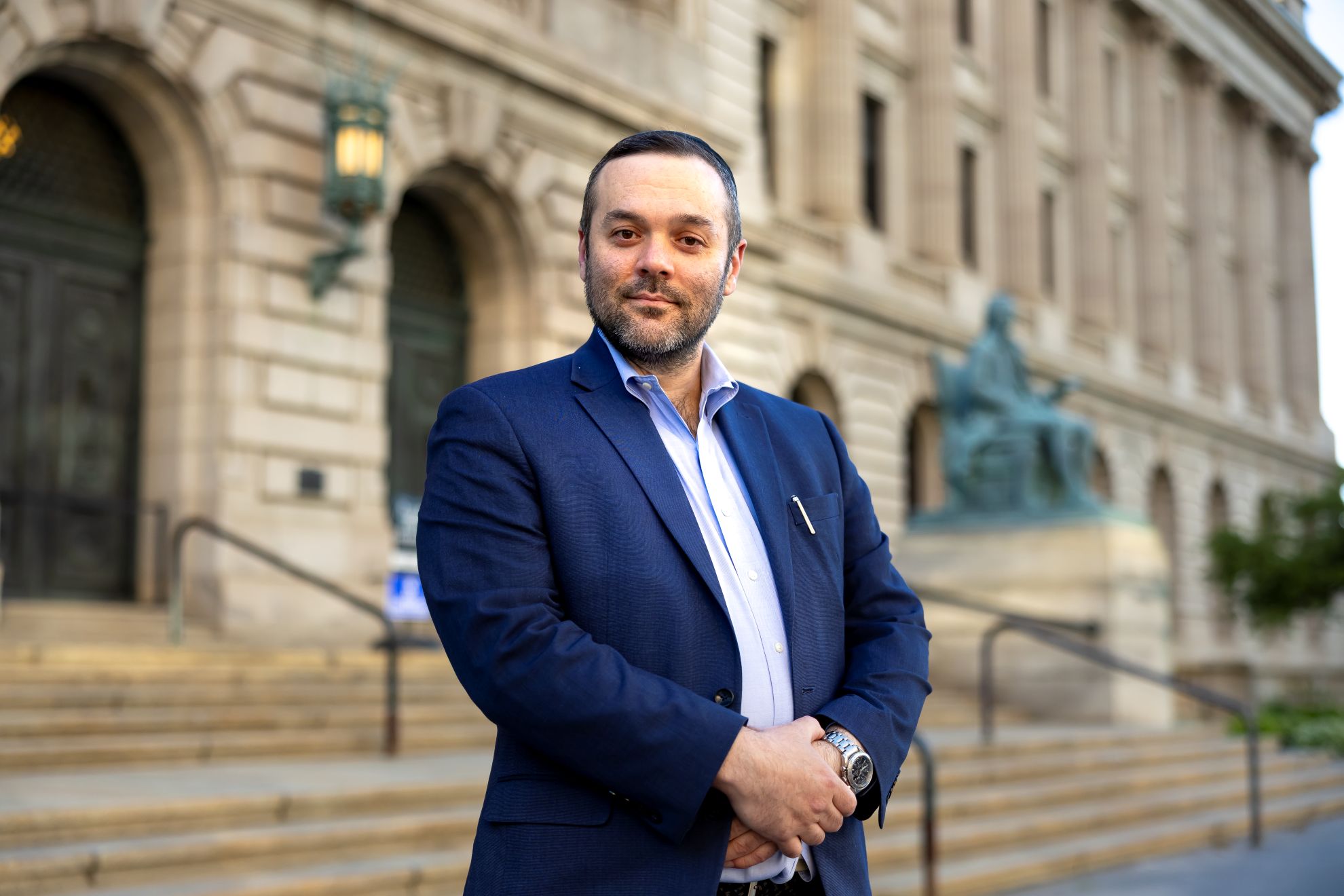
Daniel Grand
ADF Client
Related Articles