
Key Takeaways:
- Dr. Dovid Schwartz, a long-time counselor, wanted to have conversations to help his clients achieve their goals.
- New York City passed a law that banned certain counseling conversations, raising serious concerns for freedom of speech and threatening Dr. Schwartz with punishment.
- The New York City council voted to repeal its law, freeing Dr. Schwartz to counsel in line with his faith and the faith of his clients without risk of government punishment.
- The government cannot ban one side of counseling conversations without violating the First Amendment.
When did our government decide it could tell patients what to feel?
That was a question Dr. Dovid Schwartz had to ask himself when New York City adopted an ordinance that prohibited conversations about gender and sexuality that the city disagreed with.
Dr. Schwartz put it plainly at the time: “It’s legal in New York City to help someone who wants to identify as homosexual or transgender. But it’s illegal to help someone who doesn’t want to embrace those desires.” But such laws go against the very purpose of counseling.
The counseling room is supposed to be a place of trust, where a client can discuss deeply personal matters with a counselor. These conversations are private. So when the government tries to insert itself into those conversations and dictate what can be said, that trust and privacy—along with First Amendment rights—are breached.
Who is Dr. Dovid Schwartz?

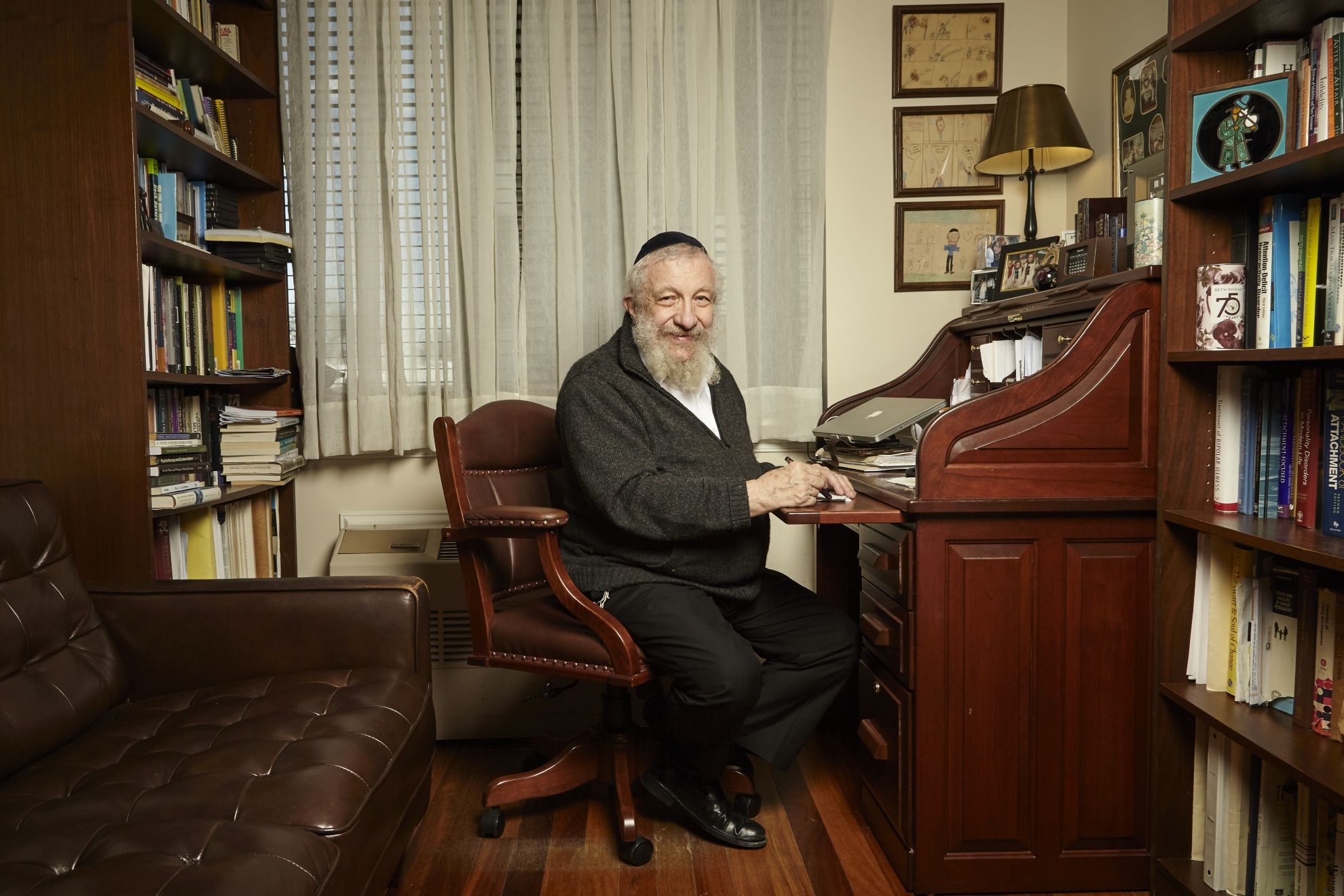
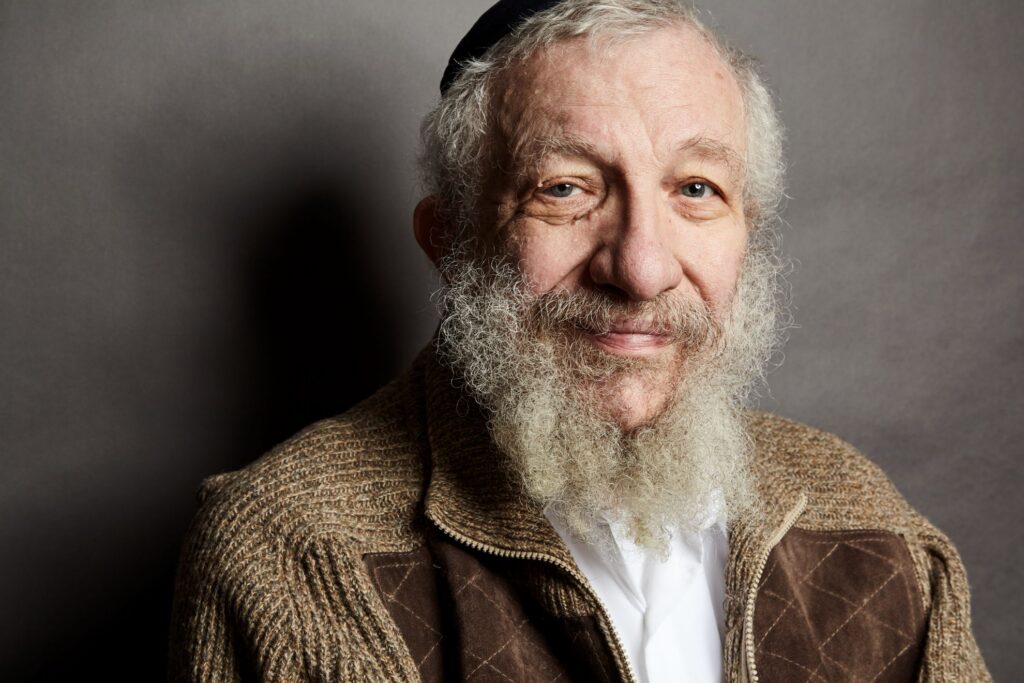
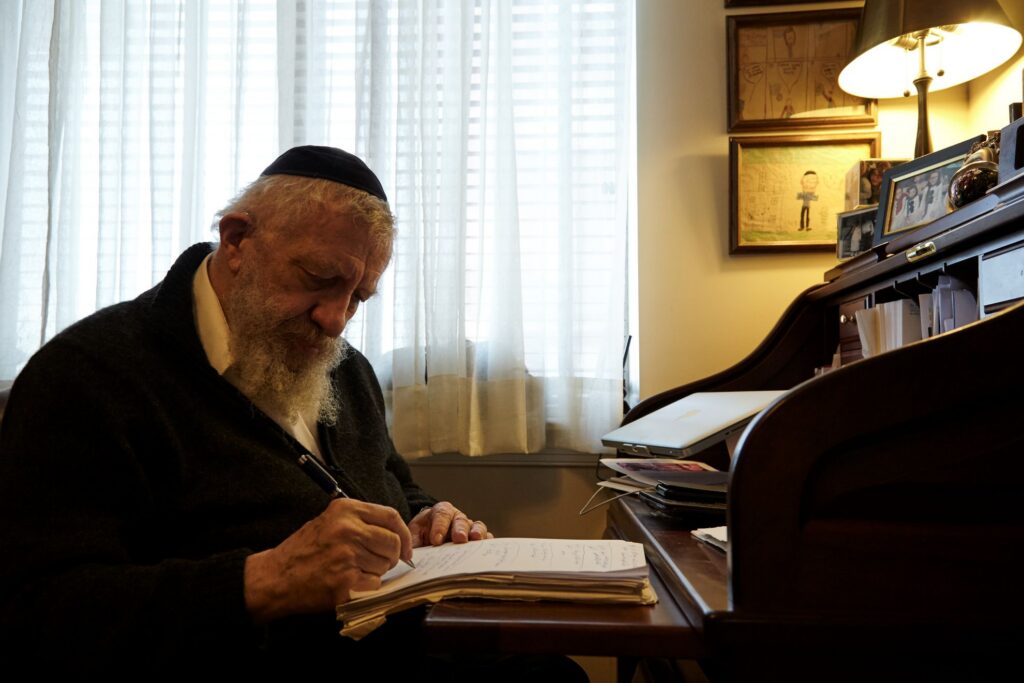
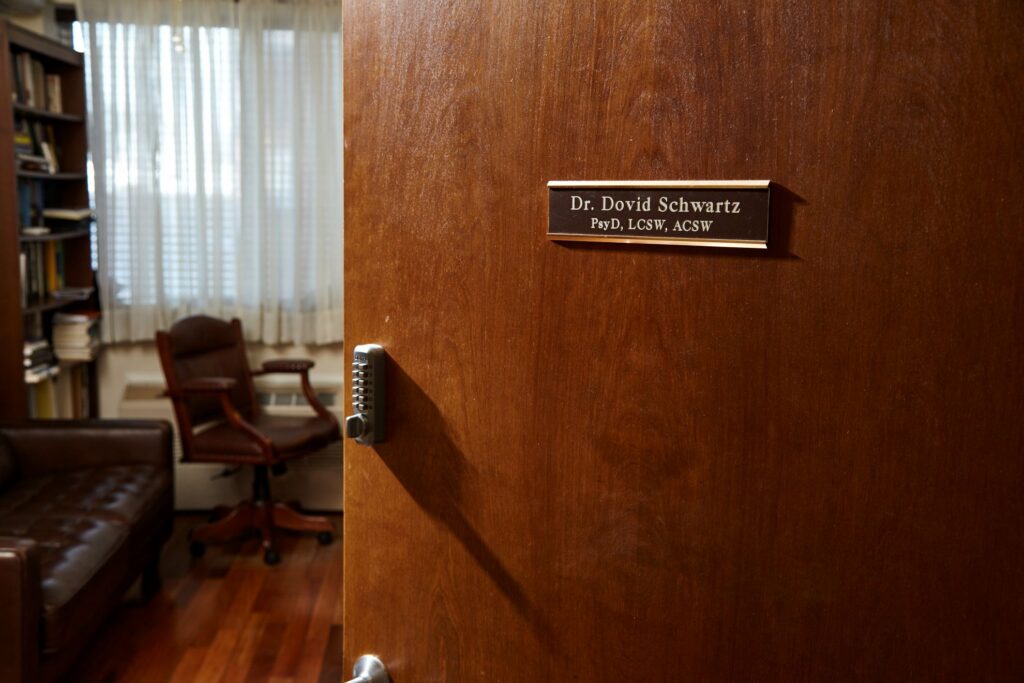
Dr. Dovid Schwartz is an Orthodox Jew and a counselor who lives in New York. Dr. Schwartz has been a counselor for decades and has run a private counseling and psychotherapy practice since 1976.
He does not advertise his counseling. Rather, clients seek him out based on referrals from former clients, other members of the community, and rabbis in the area.
He has conversations with clients to help them achieve goals they choose for themselves. These conversations include a variety of topics, from addiction to family issues.
Dr. Schwartz views his work as intertwined with his faith. While he does not push anyone to subscribe to his views, his faith shapes everything he says and does. Many of Dr. Schwartz’s clients share his faith. His clients form the goals they want to work towards, and because of their common beliefs, Dr. Schwartz’s clients know he understands and respects goals formed by their religious convictions.
“My patients come to see me because they are struggling with fears, of one kind or another. Feeling enslaved to something stronger than themselves, they want to be free,” Dr. Schwartz said.
“Some struggle with their sexuality, or with same-sex attraction. They want to move past those feelings; they ask for my help. So I listen. I make some suggestions, which they are free to embrace or ignore.”
Dr. Schwartz uses only words when counseling his clients. There are no tools or procedures, just talking and listening. Still, New York City tried to control which views he could discuss with his clients.
New York City dictates the goals
In 2018, a New York City law went into effect that censored certain views in counseling conversations. Counselors could only have conversations with clients that pushed them towards same-sex attraction or an identity that does not align with their sex. Counselors were banned from having conversations with clients to help them reduce same-sex attraction or regain comfort with their sex. In short, New York City allowed only the city’s preferred view to be discussed.
Dr. Schwartz’s clients are there voluntarily, and they only discuss the goals that the client sets. The clients determine the topics to focus on.
In addition, Dr. Schwartz and almost all of his clients are Orthodox Jews. The only conversations that New York City permitted went against their deeply held religious beliefs, while conversations that aligned with their convictions were banned. Under the city’s law, Dr. Schwartz’s clients could not have the counseling conversations they wanted that would help them live according to their faith.
“In discouraging [clients] from seeking help, I’m effectively directing them to live in disobedience to the Torah and its teaching. I will not do that,” Dr. Schwartz said.
Government censorship has no place in counseling conversations
By passing the ordinance, the NYC government tried to insert itself and make counselors its mouthpiece. If counselors had conversations the city prohibited, they risked facing increasing fines of $1,000 on the first violation, $5,000 on the second, and $10,000 for subsequent violations.
As Dr. Schwartz put it, “. . . [that law is] a violation of my profession, my constitutional rights, and my deepest personal beliefs. And of the lifelong responsibility I’ve had to assist those who seek my help.”
Dr. Schwartz knew this law violated his rights and that this would take away counseling options from people seeking help. He could not stand by and tell his clients that he was not able to have conversations they wanted to have, so he reached out to Alliance Defending Freedom.
In January 2019, ADF filed a lawsuit on behalf of Dr. Schwartz to defend his free speech and freedom to exercise his religion. The government cannot dictate which views counselors can discuss with their clients. That is a blatant violation of the freedom of speech (a principle which the U.S. Supreme Court later affirmed in another ADF case, Chiles v. Salazar).
In the wake of the lawsuit, the New York City council voted to repeal the law. This made it so Dr. Schwartz and other counselors in New York City could counsel freely without fear of government punishment or censorship.
In June 2020, the city agreed to pay $100,000 in attorneys’ fees and nominal damages, settling the lawsuit.
Dr. Schwartz can counsel freely
While it’s unfortunate that it took a lawsuit before the New York City council respected private counseling conversations, it is good that the government ultimately decided that a client could set his or her own goals without the government interfering.
“I’m relieved that the city council has decided not to step into my office and tell my patients what we can and cannot talk about—something it has no right to do,” Dr. Schwartz said. “… I’m grateful that my city council is no longer threatening to censor those conversations and impose government-approved orthodoxy on me or my patients.”
Without the law threatening counseling conversations, Dr. Schwartz could continue to offer to talk with his clients about their goals, including regaining comfort with their sex and reducing same-sex attraction, without risk of punishment. This not only preserved counseling options for them but also preserved freedom of speech and religion in these conversations.
“All New Yorkers and all Americans deserve the right to private conversations, free from government control,” said ADF Senior Counsel Roger Brooks. “By trying to regulate and censor private sessions between an adult and his counselor, New York City directly violated freedom of speech—a core right that the First Amendment protects. The city council appears to have realized its error and correctly concluded that this censorship is unconstitutional. The city council’s vote was the right thing to do, and it is an important win for Dr. Schwartz, his patients, and all New Yorkers.”
Standing up for free speech
Limiting counseling options just because the government disagrees with the views expressed is unacceptable. The government has no business telling people which personal goals they can and cannot pursue in counseling.
If speech can only go one way, that’s not free speech at all. Will you stand with clients like Dr. Schwartz for everyone’s right to live and speak the truth?
Related Articles