
Key Takeaways:
- Amy Lawson was a Christian photographer in Madison, Wisconsin, who built her studio to tell stories that honored God, including celebrating marriage and the sanctity of life.
- City and state officials threatened to use public accommodation laws to compel Amy to create content promoting same-sex marriage and abortion, or face fines and the loss of her business license.
- In August 2017, a Wisconsin court ruled that neither law applied to Amy, freeing her to operate her business consistent with her faith.
Amy Lawson built her photography studio to do one thing: honor God through her craft. Every image she captured, every blog post she wrote, and every commission she accepted was shaped by that purpose—to shine a light on beautiful stories and share that light with others.
But in 2016, Amy realized that city and state laws in Madison and Wisconsin threatened to compel Amy to promote messages that violated her deepest beliefs or face fines and the loss of her business license.
Thankfully, Amy took a stand for her rights—and won.
Who is Amy Lawson?

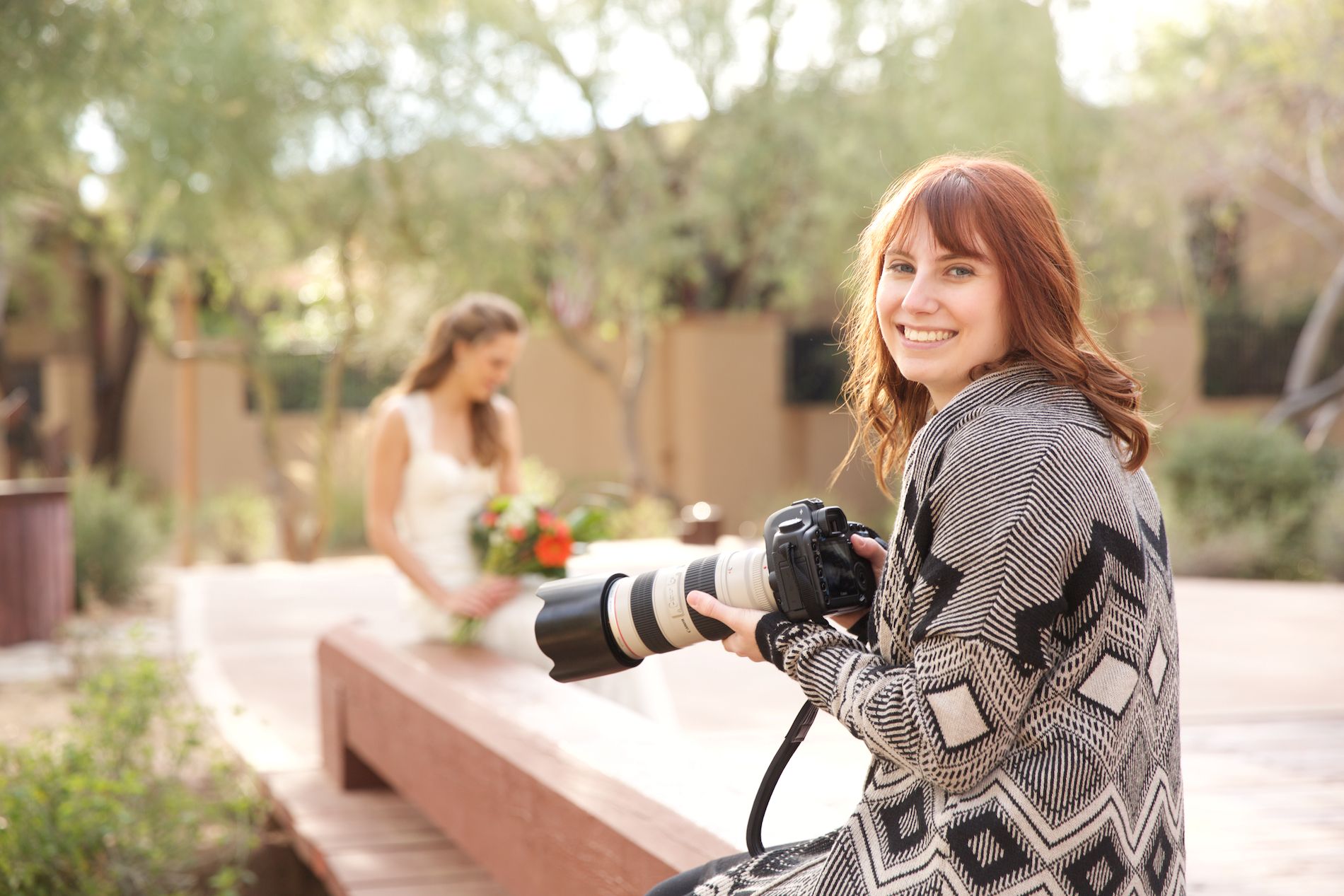
Amy Lawson is an evangelical Christian who seeks to honor God in everything she does, creates, and says. A commissioned photographer and blogger, Amy was the sole owner of Amy Lynn Photography Studio, which offered visual storytelling services to clients on a commission basis. In addition to taking and editing photographs for individuals, events, and organizations, Amy posted those photographs on her studio’s blog and social media sites. She also wrote comments on those posts praising and celebrating each client’s activity or event.
Since Amy’s mother gave her a scrapbooking kit at age 13, Amy has loved preserving memories and telling stories. To create material for her scrapbooks, Amy started taking photographs and discovered her passion and skill to capture beautiful moments with a camera. As that skill grew, Amy eventually started her studio to tell stories through the beautiful moments she captured on camera and wrote about in her blog posts. She photographed her first wedding in 2011 and started her business in a formal way in 2015.
As Amy said on her studio’s website: “Photography and blogging about my photographs lets me tell stories in ways more powerful than words alone. They let me shine a light on beautiful stories and share that light with others.” Thus, as the studio’s business documents say, Amy’s very purpose in operating the studio is to “capture and convey beautiful, pure, and true moments in ways that help us stop, see, and savor the light God has given us.”
Amy’s studio told countercultural stories
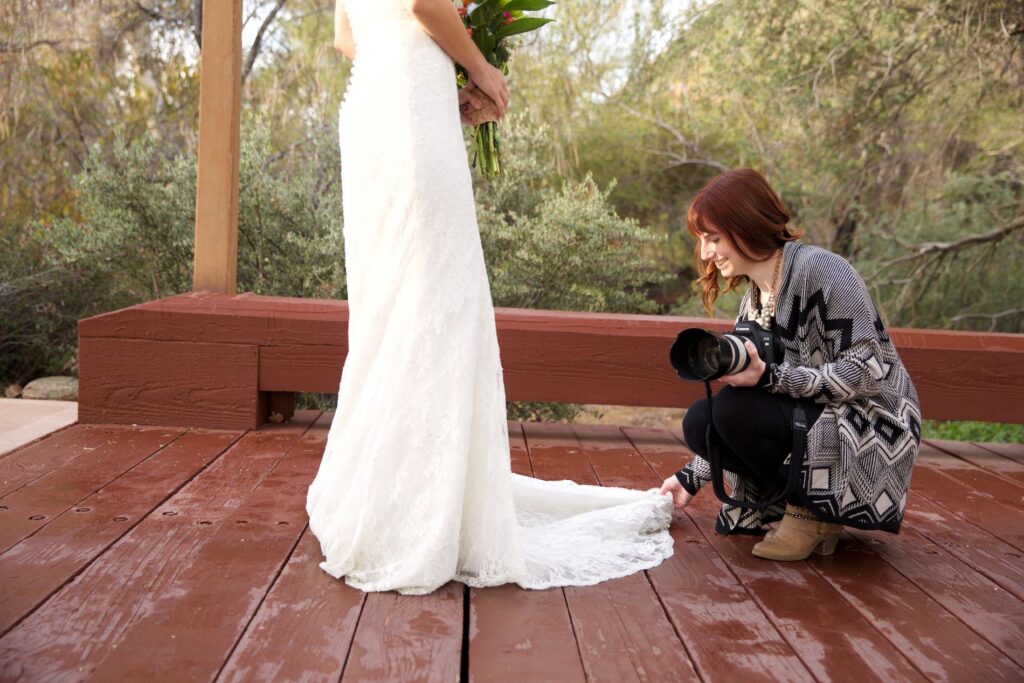
Because of her religious beliefs about marriage, Amy particularly enjoyed capturing beautiful moments of a wedding and sharing those moments with others. Amy has photographed many weddings, posted those photographs on her blog, and written comments celebrating marriage with comments like, “It’s been lovely getting to know these two a little better and a joy to be a part of their God-honoring ceremony.” In the same way, because of her religious beliefs about life, Amy also desired to photograph and post about pro-life pregnancy health clinics so that she could highlight the amazing work and people at pregnancy health clinics as well as the precious joy of the lives they protect.
Amy’s desire to create these photographs and posts only grew over time as she had seen her generation reject Christianity’s vision for marriage and the sanctity of life. To counteract this trend, Amy wanted to offer images that celebrate marriage between a man and woman, the sanctity of life, and organizations that promote these views. Just as many other photographers create visual images promoting their beliefs, Amy hoped that others will see the beautiful, joyful moments of a marriage and the work of pro-life health clinics and be convinced that biblical marriage and the sanctity of life are worth pursuing, protecting, and treasuring.
Local and state laws threatened Amy’s rights
To make clear to prospective customers that she could not promote same-sex weddings through her photography and blog posts, Amy put a statement on her website in 2016 saying she wouldn’t photograph same-sex weddings. One of Amy’s wedding clients objected and said she wouldn’t use Amy because of her beliefs. That, along with news reports of Christians being sued for not promoting same-sex marriage, caused Amy to take down the website statement for fear it might violate the law.
Amy’s fears were well-justified. By its own terms, Madison’s law makes it illegal for public accommodations to deny “equal enjoyment” because of someone’s sexual orientation or political beliefs or to publish “any communication” that denies facilities or that conveys a person’s patronage is “unwelcome, objectionable or unacceptable” because of someone’s sexual orientation or political beliefs. Wisconsin’s law does the same regarding sexual orientation. Amy worried that Madison and Wisconsin would interpret their laws like government officials in other jurisdictions and compel and restrict her speech just because she cannot express messages that go against her beliefs on biblical marriage or the sanctity of life. While Amy offered her services to everyone, she cannot create messages that violate her beliefs.
The penalties for violating these laws are severe.
- If Amy violated the Madison law, she could have been punished with an injunction, out-of-pocket expenses, economic and non-economic damages, costs, attorney’s fees, and a civil fine up to $500 per day.
- If Amy violated the Wisconsin law, she could have been punished with out-of-pocket expenses, costs, attorney fees, cease and desist orders, re-education training, revocation of her business license, and a fine up to $1,000 for first-time violators, and up to $10,000 for repeat violators.
Amy stands up to the city and the state
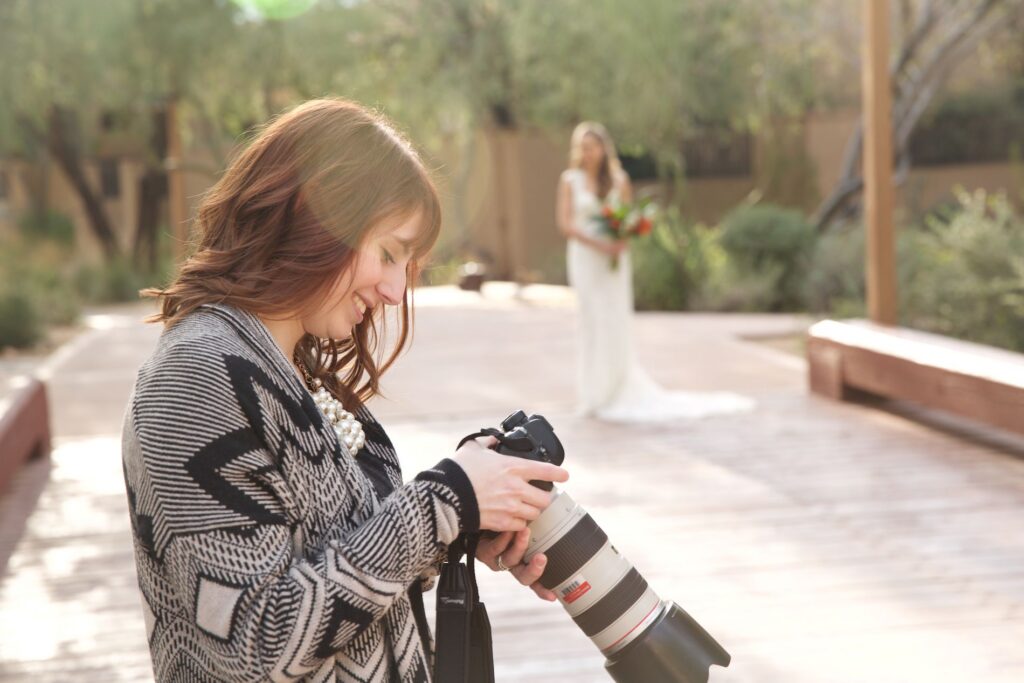
Amy couldn’t comply with the law because creating photographs and blog posts promoting same-sex marriage and pro-abortion groups violates her artistic, religious, and political beliefs and directly contradicts her own message beatifying opposite-sex marriage and the sanctity of life. Amy also couldn’t comply with the law because she wanted to explain her religious and political beliefs about marriage & the sanctity of life on her studio’s website.
Left with no viable option and seeing lawsuits against artists all across the country, Amy filed a pre-enforcement challenge in March 2017 to gain clarity on whether these laws applied to her and to challenge these unjust laws before they could have been enforced against her. During this time, Amy stopped accepting all requests for weddings and organizations and refrained from posting her statement on marriage on the studio’s website to avoid violating the law. Simply put, Amy stopped speaking for fear of violating the law and lost her right to speak every day she did not obtain relief from a court.
Praise God, in August 2017, the Wisconsin Circuit Court for Dane County issued two declaratory judgments stating that neither Madison’s law nor Wisconsin’s law applied to Amy and her business and therefore neither law stopped Amy from operating her business in accordance with her faith. Amy thus won her freedom to decline to promote objectionable messages and to express her religious beliefs on her studio’s website.
Free Speech is for everyone
Amy’s case was favorably decided in 2017, but the legal question it raised only grew more urgent. Across the country, photographers, filmmakers, graphic artists, and other creative professionals faced the same threat: government officials using public accommodation laws to compel artists to speak messages that violate their deepest beliefs.
Thankfully, in 2023, the U.S. Supreme Court decisively settled the legal question. In 303 Creative v. Elenis, ADF represented Lorie Smith, a Colorado website designer who, like Amy, served all people but could not create content promoting every message. The Court ruled in Lorie’s favor, reaffirming that the government cannot force Americans to say things they don’t believe through their art. The principle Amy fought for in Madison now applies across the country.
Alliance Defending Freedom is committed to defending the right of free speech for everyone. Will you give to stand alongside clients like Amy, so that all might be free to live and speak the truth?
Related Articles