

Key Takeaways:
- Abortion pill reversal (APR) uses supplemental progesterone to counteract the life-ending effects of the first abortion drug, giving women another chance at motherhood should they change their mind about having a chemical abortion.
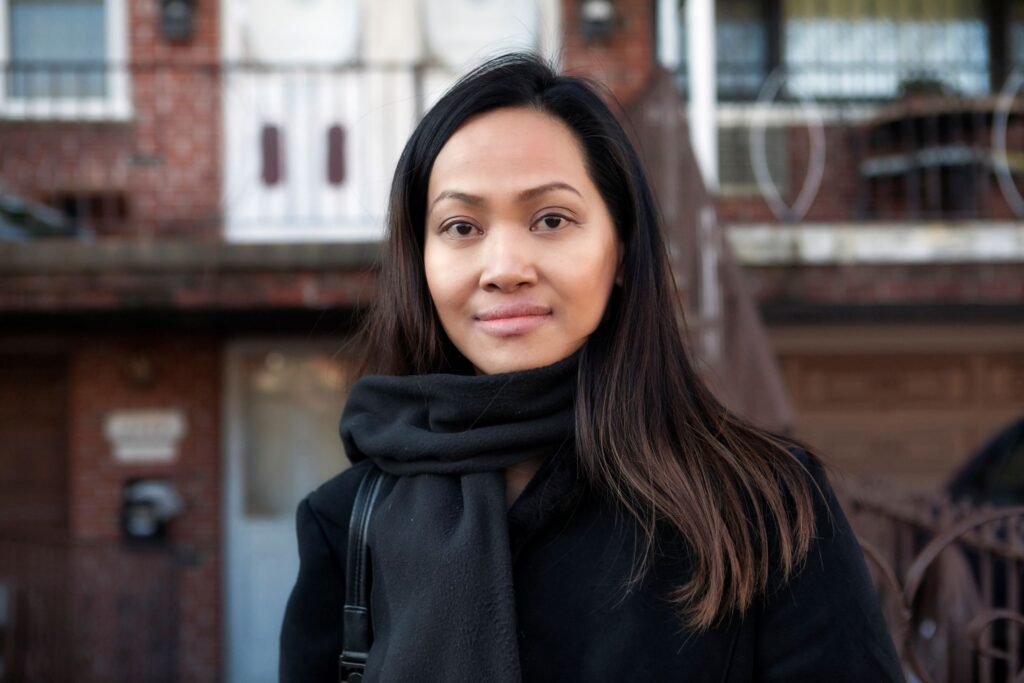
- Chelsea Mynyk is a certified nurse midwife who offers APR to her clients—but in April 2023, Colorado enacted a law that would punish Chelsea for doing so.
- After a federal court blocked Colorado from enforcing the law against Chelsea in a lawsuit she intervened in, state officials agreed to pay $700,000 to settle Chelsea’s portion of the lawsuit.
Abortion pill reversal is a safe process that allows women a chance to continue their pregnancy if they change their mind about having an abortion. In the process, doctors and nurses use the natural hormone progesterone to counteract the effects of mifepristone, the first of two drugs commonly used in chemical abortions.
Many women have changed their minds about abortion after taking mifepristone and before taking misoprostol, the second drug. During this window, APR can provide a chance to save the baby.
While APR is not guaranteed to reverse the effects of the abortion drug, research shows it has a 64-68 percent success rate when administered within 72 hours of taking mifepristone, and statistics indicate it has saved over 8,000 unborn children so far. Progesterone is a natural hormone needed to sustain pregnancy, and it has been administered to pregnant women to do just that for over five decades.
Despite these facts, Colorado inexplicably banned the use of progesterone solely for the practice of APR in April 2023 and silenced medical professionals who wish to inform people about it.
Why did Bella Health and Wellness sue Colorado?
In April 2023, Colorado passed a law prohibiting all medical professionals from providing abortion pill reversal. The law also bars medical professionals from advertising or even informing their patients about APR.
As a life-affirming Catholic medical center, Bella Health and Wellness believes it is called to protect human life. It wants to continue offering APR as an opportunity to save unborn lives, but under Colorado’s law, offering APR could mean fines of up to $20,000 per violation for doing so.
Bella Health’s attorneys at the Becket Fund filed a lawsuit the same month the law was passed, and it secured a preliminary injunction preventing Colorado from enforcing its APR ban while the lawsuit proceeded. But the injunction only applied to Bella Health. In other words, Colorado could still enforce its law against anyone else, including ADF’s client Chelsea Mynyk.
How was Alliance Defending Freedom involved in the case?
Chelsea Mynyk is a nurse practitioner and certified nurse midwife in Colorado. She runs her own clinic, Castle Rock Women’s Health, where she offers STD testing and treatment, select ultrasounds, prenatal care, various parenting classes, and APR.
Like Bella Health, Chelsea believes all life is created by God and worthy of protection, and she wants to continue her life-saving work.
But in January 2024, an anonymous individual filed a complaint against Chelsea because she offers APR. The Colorado Board of Nursing opened an investigation into Chelsea and her practice, so Alliance Defending Freedom filed a motion to intervene in Bella Health and Wellness v. Weiser on Chelsea’s behalf.
Colorado’s law violates the Constitution
The First Amendment ensures that all Americans can live, work, and speak consistent with their consciences. Colorado’s law violates both religious freedom and freedom of speech.
Chelsea offers abortion pill reversal because she believes—in line with her Christian faith—that all human lives are precious and worthy of protection. By trying to ban Chelsea from providing this care, Colorado violated her religious freedom.
Furthermore, Colorado violated Chelsea’s freedom of speech by preventing her from advertising or even speaking to her patients about the possibility of APR.
The state knows that progesterone is a natural and necessary hormone in pregnancy, which is why it has not outlawed its use to prevent miscarriages and help women avoid going into labor prematurely. Colorado has only made the use of progesterone illegal for one group of people: women who have changed their mind about having an abortion.
Thankfully, a federal district court saw how the law unlawfully targeted the faith-based practice of using progesterone for APR, and in August 2025, permanently blocked Colorado from enforcing its law against Bella Health and Chelsea. A few months later, in January 2026, Colorado state officials agreed to pay $700,000 in attorneys’ fees to settle Chelsea’s part of the Bella Health lawsuit.
The bottom line
Women deserve the option of APR if they change their minds about a chemical abortion and want to try to save their baby. And health care professionals like Chelsea have the right to help those women. By trying to deprive women of the choice to try to save their baby and preventing health-care professionals from offering APR to women who want it, Colorado is pushing an extreme pro-abortion agenda. Colorado’s law is unconstitutional—and the state rightly had to pay a price for its actions.
Bella Health and Wellness v. Weiser
- April 2023: After Colorado passed an unconstitutional law banning abortion pill reversal, Bella Health and Wellness challenged it in a lawsuit.
- October 2023: A federal district court issued a preliminary injunction preventing Colorado from enforcing the law against Bella Health while the lawsuit proceeds.
- January 2024: The Colorado Board of Nursing opened an investigation into Chelsea Mynyk because an anonymous individual filed a complaint about Chelsea offering APR.
- March 2024: Alliance Defending Freedom filed a motion to intervene in the lawsuit on Chelsea’s behalf.
- April 2024: ADF’s motion to intervene in the case was granted.
- August 2025: The federal district court permanently blocked Colorado from enforcing its unconstitutional law against Bella Health and Chelsea.
- January 2026: Colorado state officials agreed to pay $700,000 in attorneys’ fees to settle Chelsea Mynyk’s part of the lawsuit.
Related Articles